
Emergency Water Damage Restoration in Canyon Lake: Getting the Water Out and the Structure Dry
When water is on the floor, every hour counts. Carpet, drywall and subfloor soak it up quickly, and the damage spreads while you decide what to do. Call the water damage line, stop the source and start getting the water out.
- Licensed and insured plumbers
- Same-day service when available
- 24/7 emergency dispatch
Water extraction and removal: the first hours
Standing water comes out first, using pumps and extractors, because every hour it sits it moves into porous materials. Once the standing water is gone, the focus turns to what the building absorbed. That is the part that takes days, and it is why the first call matters more than the cleanup that follows.
- Stop the source: close the main water valve or the fixture shutoff.
- Make the area safe: turn off power to wet circuits if the panel is dry and reachable.
- Remove standing water with pumps and wet vacuums.
- Lift wet carpet padding, remove soaked insulation and open wet wall bases if needed.
- Set drying equipment and measure moisture so progress can be tracked.
- Check again after a day or two until readings fall to normal.
How the damage is assessed: water categories and classes
Not all water damage is alike. The industry standard sorts water by how clean it was at the source and by how far it has spread. That sorting decides what can be dried in place and what has to be removed and discarded, so the assessment comes before any equipment is set.
| Category | Source example | What it means |
|---|---|---|
| Category 1 | Broken supply line, clean tap water | Clean at the source; can turn worse if it sits |
| Category 2 | Dishwasher or washing machine overflow | Some contamination; porous items often removed |
| Category 3 | Sewage or flood water from outside | Grossly contaminated; porous materials removed |
Larger losses call for a more detailed inspection, with moisture meters and, where helpful, thermal imaging to show wet areas behind surfaces. The plumber documents what is wet, how deep it goes and what the drying plan is, so the work can be checked against it later and shared with an insurer.
Burst pipes and plumbing leaks that caused the damage
Most household water damage starts with plumbing: a failed supply line, a water heater leak, a leaking fixture or a slow pipe leak that went unseen. Fixing the damage without fixing the source only sets up the next loss, so a plumber repairs the cause as part of the job. The repair also gives a clear record of what failed, which helps with an insurance claim and with deciding whether other lines of the same age need attention. Ask the plumber to note the failed part and the date of the repair in writing.
If the source is behind a wall or under a slab, hidden leak detection locates it, and repiping project may follow if the line is worn out. Sewage is a different matter, and sewer line repair help addresses the failing pipe behind a backup.
Other sources are common too. A failed water heater tank can flood a closet, which is where water heater repair work comes in. A leaking yard line can saturate a slab edge, and water line repair help deals with the pipe itself. A slow leak below the floor can be traced through slab leak testing. Clogs that overflow a sink or tub call for clearing the drain.
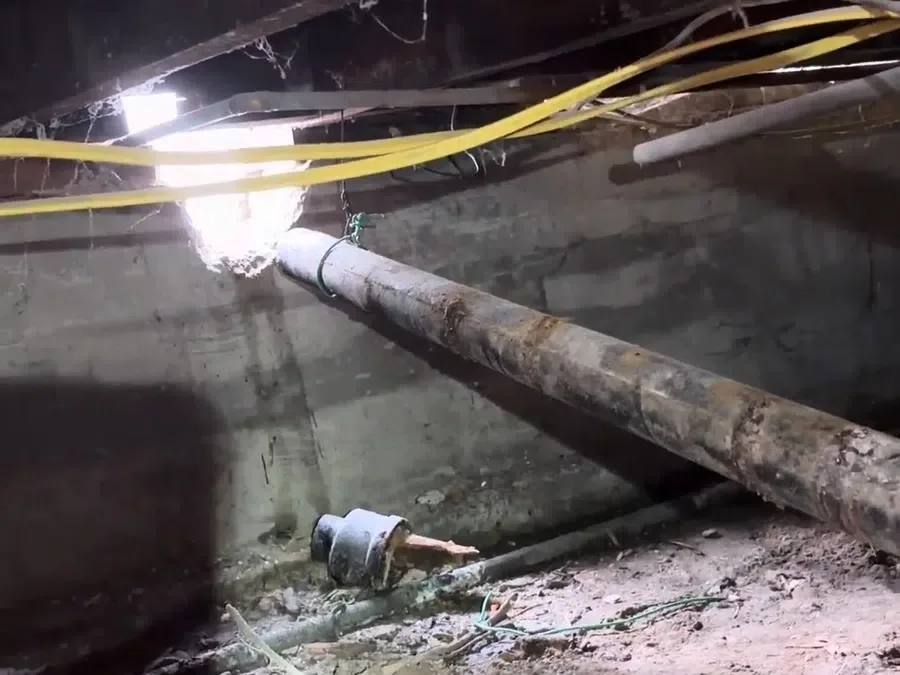
Water on the floor? Call the water damage line
Stop the source and get removal started before the water spreads into walls and subfloor.
Drying equipment and how long it takes
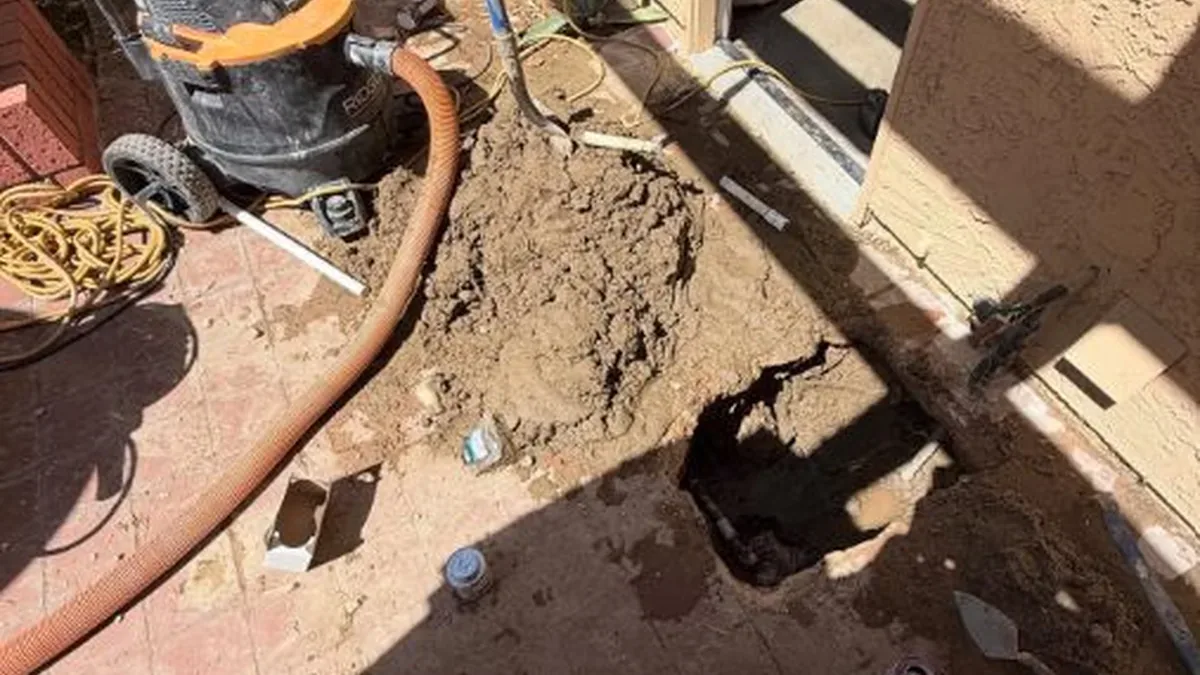
After extraction, air movers push air across wet surfaces and dehumidifiers pull moisture out of the air. Together they dry the structure faster than ventilation alone could. Equipment stays in place for days, and moisture readings are taken daily to confirm the drying is working.
- Air movers set across wet floors and low on walls
- Dehumidifiers sized to the volume of the affected space
- Moisture meter readings logged each day
- Wet drywall or insulation opened or removed when it will not dry in place
- A final check that readings match dry areas of the same material
Drying time depends on how much water got in, what it soaked and how humid the air is. Do not stop the equipment early because the surface feels dry. Materials can hold moisture inside for days after they look fine.
Floods, leaks from above and other water sources
Water gets into houses in ways that have nothing to do with pipes. Roof leaks soak ceilings and run down walls. An air conditioner drain line can overflow into a closet. A broken irrigation line can saturate a slab edge. Each of these needs the same removal and drying, even when the plumbing was never at fault. Where a home has a crawl space or a lower level, water that collects there needs pumping and drying too, and it is easy to miss until a musty smell appears.
Storm water that gets in through doors or low openings is another source. Floodwater from outside is treated as contaminated, so porous materials are usually removed rather than dried. A plumber can help with removal and drying, while roof, siding or grading repairs belong to the right trade.
Condos, apartments and light commercial units follow the same steps, and a business loss is handled through commercial plumbing work as well. Shared walls and floors mean water often travels to a neighbor, so tell the property manager or association at once and document where it started. Photos of the first affected room help settle questions about responsibility later.
The work described on this page covers stopping the source, removing water and drying the structure. Mold remediation, fire and smoke cleanup and rebuilding are separate trades, and a plumber can point you to the right one.
Ceiling stains, roof leaks and irrigation water
A wet ceiling is often the first sign of water damage, and the source can be upstairs plumbing, a roof leak, an air conditioner drain or a sprinkler line. A bathroom above a leaking ceiling is the usual suspect, and a plumber can test that supply and drain first. Roof leaks need a roofer, but the interior water still has to be removed and dried.
Garage ceilings, closets and walls beside an irrigation line show the same pattern: a stain, then soft drywall, then a smell. Cut a small test opening only with the plumber's advice, since a bulging ceiling can release a lot of water at once. Sprinkler and irrigation breaks outdoors can send water under a slab edge as well, which drying equipment then has to reach.
Vacant homes, sewage backups and large losses
A house left empty for days can take on a great deal of water before anyone sees it, and a major water loss at a vacant or unattended home usually needs a fuller inspection and written scope for the insurer. Tell the plumber how long the water ran and who last visited, since that timeline sets the drying plan.
Sewage backups are treated as category 3 water. Affected porous materials such as carpet, pad and low drywall are removed rather than dried, and the area is cleaned and the source line cleared. Keep children and pets out and do not run fans that spread contaminated air into clean rooms until the plumber advises.
Larger losses involve coordinating the plumber, the insurer and any other trades. Ask for one written scope that lists what each party is doing, so work is not repeated or skipped and the claim file stays consistent.
Floors, carpet and what can be saved
Hardwood, carpet and padding each respond differently, and a washer supply valve that breaks can soak a hardwood floor in minutes. Carpet and pad that were soaked by clean water can sometimes be dried in place, but pad is often removed. Engineered wood and laminate swell and rarely recover. Tile and concrete dry well, though the layers beneath them need checking. Underlayment and adhesive can trap moisture even when the surface looks dry, and that trapped water is what causes odors and damage later. Ask for readings taken below the surface, not just on top of it.
Ask the plumber to explain what is being removed and why, with moisture readings to back it up, so you can follow the decisions as they are made. Keep samples and take photographs before anything leaves the house, because insurers often want proof of what was damaged.
Insurance claims: what to document
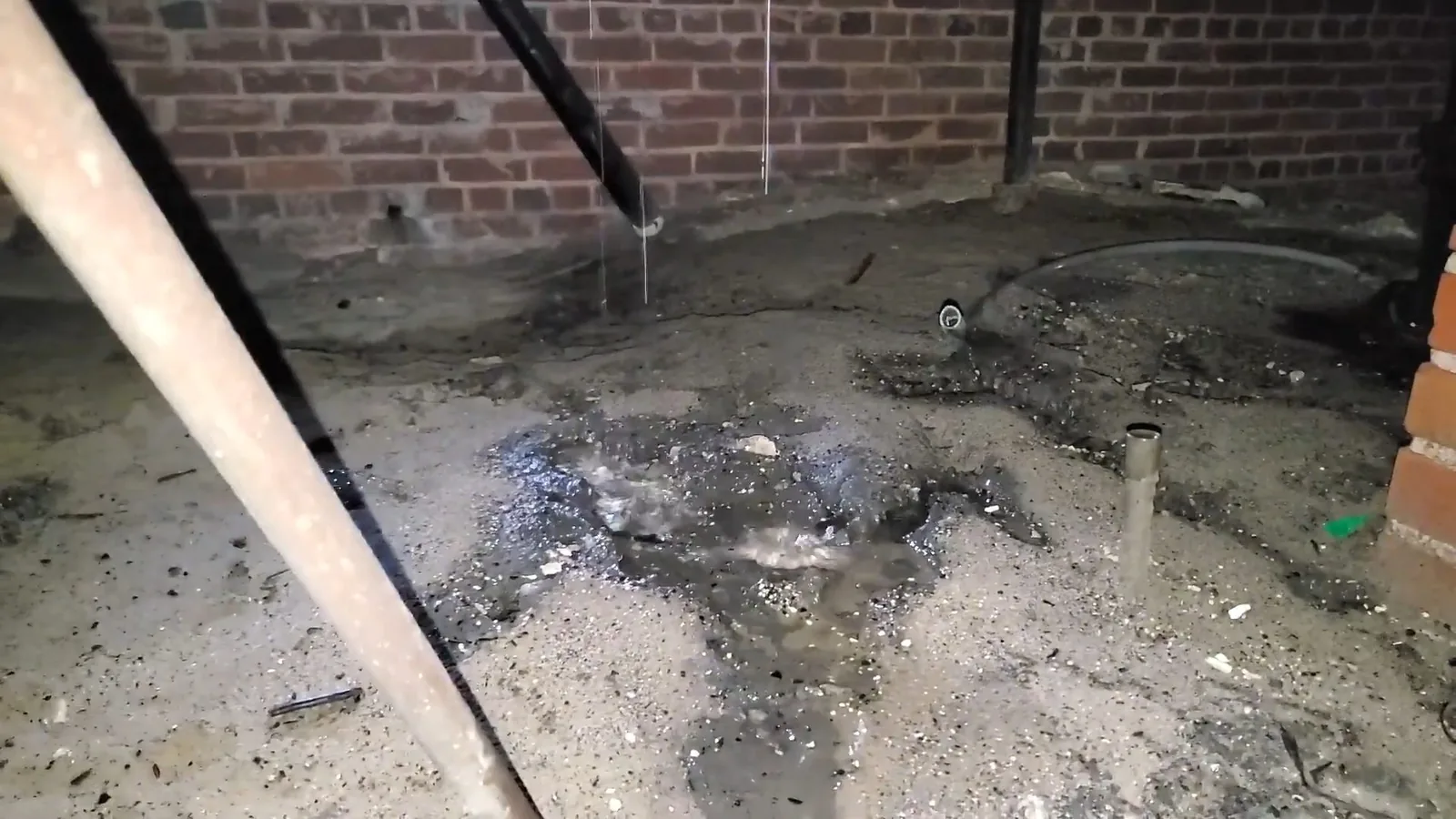
A claim goes more smoothly when the paperwork starts on day one. Take photos and video of the damage before anything moves. Keep the plumber's written scope, the moisture logs and the list of what was removed. Save receipts for any emergency work you pay for, including pumps and fans. Ask the adjuster what they need before large items leave the house, so nothing is thrown away that should have been kept as evidence. If the adjuster cannot visit quickly, ask whether dated photos and moisture logs are enough to proceed.
- Date and time the water was discovered
- Photos and video of every affected room before cleanup
- A written description of the source and the repair done
- Moisture readings and the drying log
- A list of damaged belongings and flooring
Dry it out before it spreads
Phone the water damage line to start removal, drying and the repair that stopped the leak.
Water damage questions
How fast should water damage be dealt with?
As soon as the source is stopped. Water soaks into drywall, padding and subfloor within hours, and the longer it sits the more has to be removed. Calling right away is the best way to keep a small loss small.
Should I turn off the electricity in a flooded room?
If the panel is dry and you can reach it safely, switch off the breakers for the wet areas. If water is near the panel or the outlets, do not go in. Stay out and call, because wet electrical systems are a real hazard.
Can wet drywall be dried instead of replaced?
Clean-water wetting caught early can dry in place, while drywall that sat in contaminated water or stayed wet for days is usually removed. Moisture readings decide it, not the surface appearance.
What should I photograph for my insurance claim?
Photograph and video every affected room before cleanup, the source of the water, and any damaged belongings. Keep the plumber's scope and receipts. Those records support the claim and show what was removed and why.
Water damage does not wait
The water damage line is open around the clock for removal, drying and the plumbing repair behind it.
- Licensed and insured plumbers
- Same-day service when available
- 24/7 emergency dispatch