
Emergency Repiping in Canyon Lake: When Old Pipes Keep Leaking and Patching Stops Working
One pinhole leak is a repair. A second and third in the same year is a sign the pipe itself is wearing out. Call the dispatch line, describe where the leaks have been and a plumber can say whether a repair or a full repipe is the better choice.
- Licensed and insured plumbers
- Same-day service when available
- 24/7 emergency dispatch
Pinhole leaks, bursts and the decision to repipe
Repiping replaces the supply lines inside the walls, ceilings and slab with new pipe. It is a large job, so the first question is whether the problem really is the pipe. Isolated damage from a single cause, such as a nail or a failed fitting, is usually a repair. Repeated leaks in different spots point to the whole system.
| What you see | What it usually means | Likely next step |
|---|---|---|
| One leak at a fitting or joint | A worn connection, not the pipe | Spot repair |
| Pinhole leaks in several rooms | Pipe walls thinning from the inside | Evaluate for repipe |
| Brown or rusty water at every tap | Corroding galvanized steel | Repipe is often the fix |
| Low pressure that never recovers | Mineral and rust buildup narrowing the pipe | Repipe, or replace a section |
| Wet wall or stain with no visible pipe | Hidden leak in a wall or slab | Locate first, then repair or reroute |
When the leak location is the unknown, leak detection work pins it down before anyone opens a wall. That avoids repiping an entire house to fix a problem that turns out to be one failed fitting, and it gives the plumber a clear starting point.
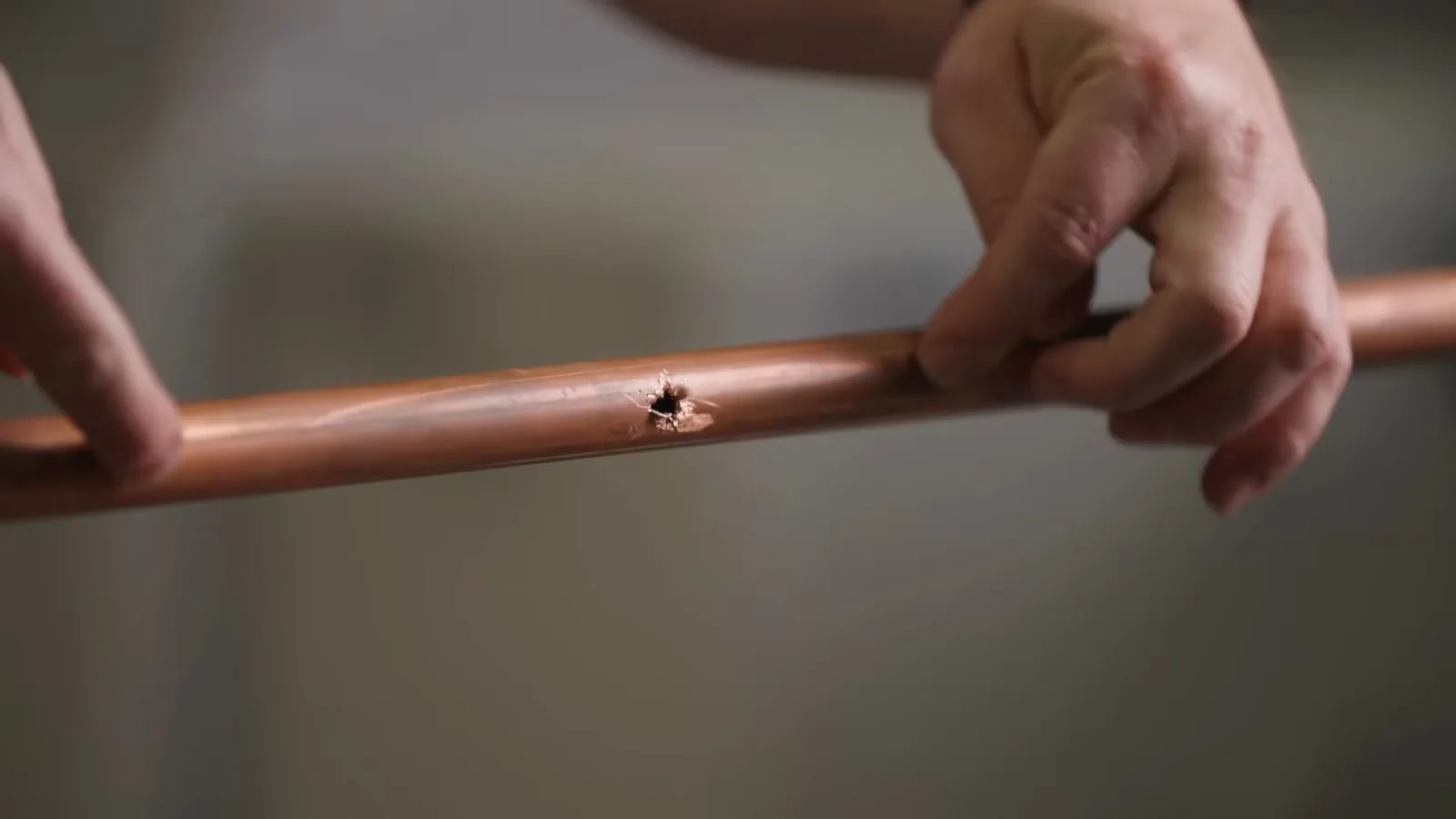
Which pipe is in your walls matters
Pipe material drives both the risk and the plan. Canyon Lake homes were mostly built in the 1970s through the 1990s, a period when copper, galvanized steel and, in some tracts, polybutylene were all in use. Confirm what you have first, because the answer changes what a plumber recommends.
Copper
Durable and the usual choice for repiping. Pinholes can still form from water chemistry or velocity over decades.
Galvanized steel
Corrodes from the inside, so flow drops and rust shows up in the water long before it leaks.
Polybutylene
Gray or blue plastic used in some older homes. Known for failing at fittings, so it is replaced when found.
PEX and CPVC
Plastic options that are quick to install and resist corrosion. Which is allowed depends on code and the plumber.
A plumber can identify the material by looking at exposed runs near the water heater, under sinks and at the main shutoff. A magnet, a scratch test and the color of the pipe all help, and a short list of photos is useful when you call.
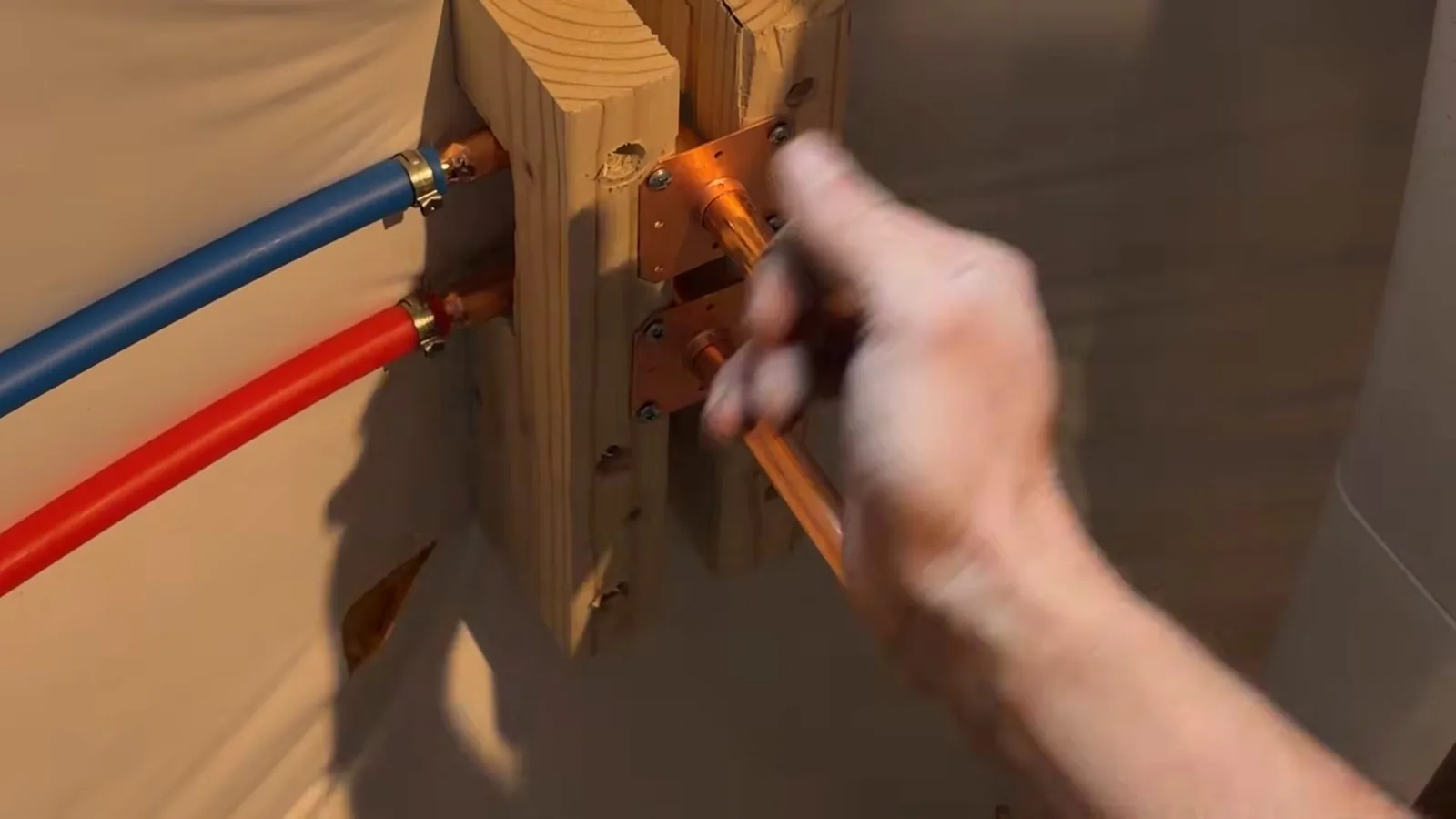
Leaks keep coming back? Talk to a plumber
Describe the leaks, the pipe and the age of the house, and get a straight answer on repair versus repipe.
Whole-house repiping: what the work involves
A whole-house repipe is planned around the walls and the household. Most of the work happens in the attic, the crawl space or through small access cuts, and the water is off for part of each day. Ask for a written scope that names the pipe material, the number of fixtures and how walls will be patched.
- Walk-through to find shutoffs, fixtures and the best route for new pipe.
- Permit pulled through the Building and Safety office, since repipes are regulated plumbing work.
- Water off, old supply lines isolated and the new copper or approved plastic run to each fixture.
- Pressure test of the new system before any wall is closed up.
- Wall and ceiling openings patched, fixtures reconnected and water turned back on.
- Final inspection arranged and a walk-through of the new shutoffs.
Plan for a few days without normal water use and ask the plumber how the household will have water overnight. Many homes can keep a toilet or a single tap working during a multi-day job, and a good plumber will tell you in advance which fixtures stay on.
Under-slab and underground pipe
Some homes have supply pipe running in or under the slab. Leaks there are hard to reach, so a plumber has two options: break into the slab and repair the spot, or abandon the slab line and reroute new pipe through the attic or walls. Rerouting avoids concrete work and is often the longer-lasting fix.
If you suspect a leak below the floor, start with slab leak detection work. The signs include a warm spot on the floor, the sound of running water with every tap closed and a meter that keeps moving. Each narrows where the pipe is failing.
Whichever route is chosen, ask whether the abandoned slab pipe will be capped and whether the new route needs access cuts in finished rooms. A plumber who explains both options and the patching involved lets you weigh disruption against durability before work begins.
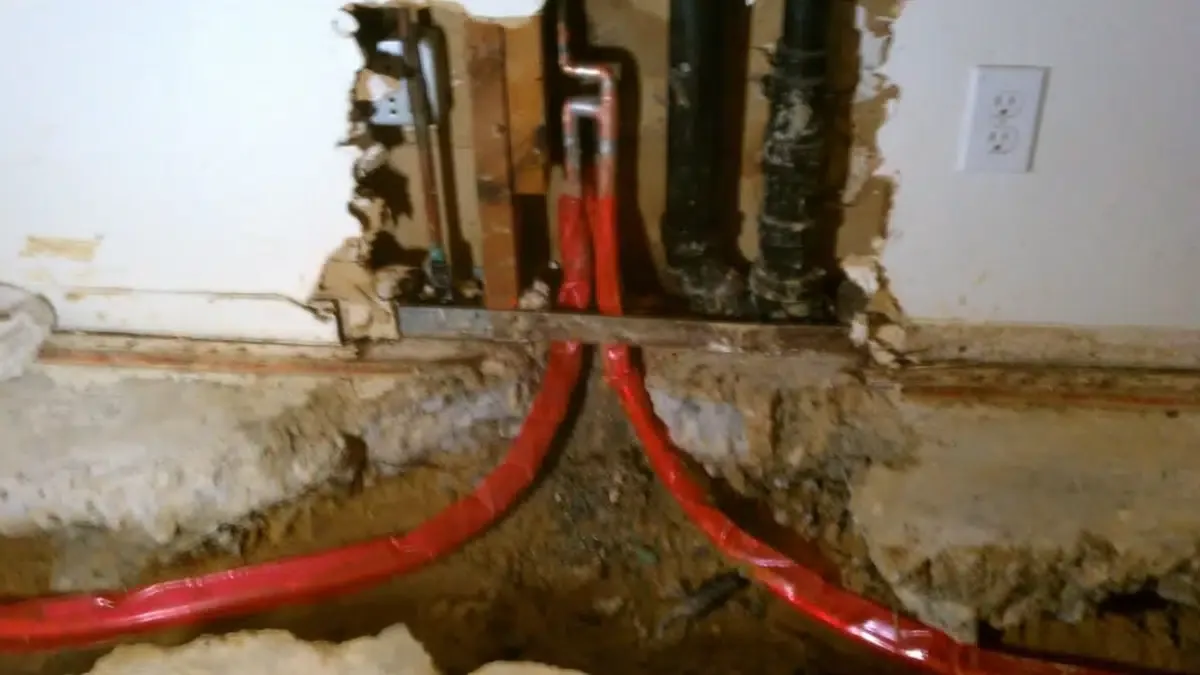
A burst pipe right now: steps to take while help is on the way
A burst pipe floods fast, so the first minutes matter more than anything else. Get the water off, protect what you can and call. The plumber can then focus on the repair rather than on a flooded room, and the damage stays smaller.
- Shut off the main water valve and open a low faucet to drain the lines
- Turn off the power to any wet area if the electrical panel is dry and safe to reach
- Move rugs, electronics and furniture away from the water
- Photograph the damage for your insurer before cleaning up
- Phone dispatch and say where the water is coming from
If the water has soaked floors or walls, water damage cleanup may be the next call after the pipe is fixed.
Stop patching the same pipes
Phone in and ask for a side-by-side of a spot repair and a full repipe.
Repiping questions
How do I know if my house needs to be repiped?
Repeated leaks in different spots, discolored water at every tap and pressure that stays low are the main signs. A single leak at a fitting is usually just a repair. A plumber can look at the material and the leak history and tell you which category the house falls into.
Can a house be repiped without tearing out all the walls?
Plumbers route new lines through the attic, crawl space or small access openings and patch only where they cut. A slab-heavy layout is harder, and rerouting overhead is the usual way around it. Ask the plumber to show where openings will be.
Is copper still a good choice for repiping?
Copper remains the standard for long life and has a long track record in California homes. PEX and CPVC are alternatives the plumber may suggest where water chemistry or budget points that way. Ask which is allowed and why one is recommended over another for your house.
How long does a whole-house repipe take?
It depends on the size of the house and the number of fixtures. Many repipes run a few days from the first cut to the final patch. The plumber can give a schedule for your layout, and cost questions are covered on the cost page.
Burst pipe or worn-out plumbing, call now
Phone at any hour to stop the leak first, then plan the longer fix.
- Licensed and insured plumbers
- Same-day service when available
- 24/7 emergency dispatch