
Emergency Leak Detection in Canyon Lake: Wet Walls, High Bills and Hidden Pipe Leaks
Leak detection finds where water is escaping a plumbing system, whether it shows up as a stained ceiling, a damp wall, a soft patch in the yard or a water bill that keeps climbing. Call the dispatch line, describe what you see and reach a plumber who can trace the source.
- Licensed and insured plumbers
- Same-day service when available
- 24/7 emergency dispatch
Is water escaping somewhere you cannot see?
A hidden leak rarely announces itself. Water follows pipes, studs and slab edges before it surfaces, so the stain on a ceiling or the damp spot in a garage can sit several feet from the real failure. The signs below are worth acting on, because a small leak caught early costs the house far less than one left to run for months.
- A water bill that rises with no change in how the household uses water
- The sound of running water when every fixture is off
- A meter that keeps moving after every tap is closed
- Stained, bubbling or sagging drywall, most often on a ceiling
- A warm patch on a floor, or a musty smell in a closet or cabinet
- Mold or mildew along baseboards and wall corners
- Low pressure at one fixture or across the whole house
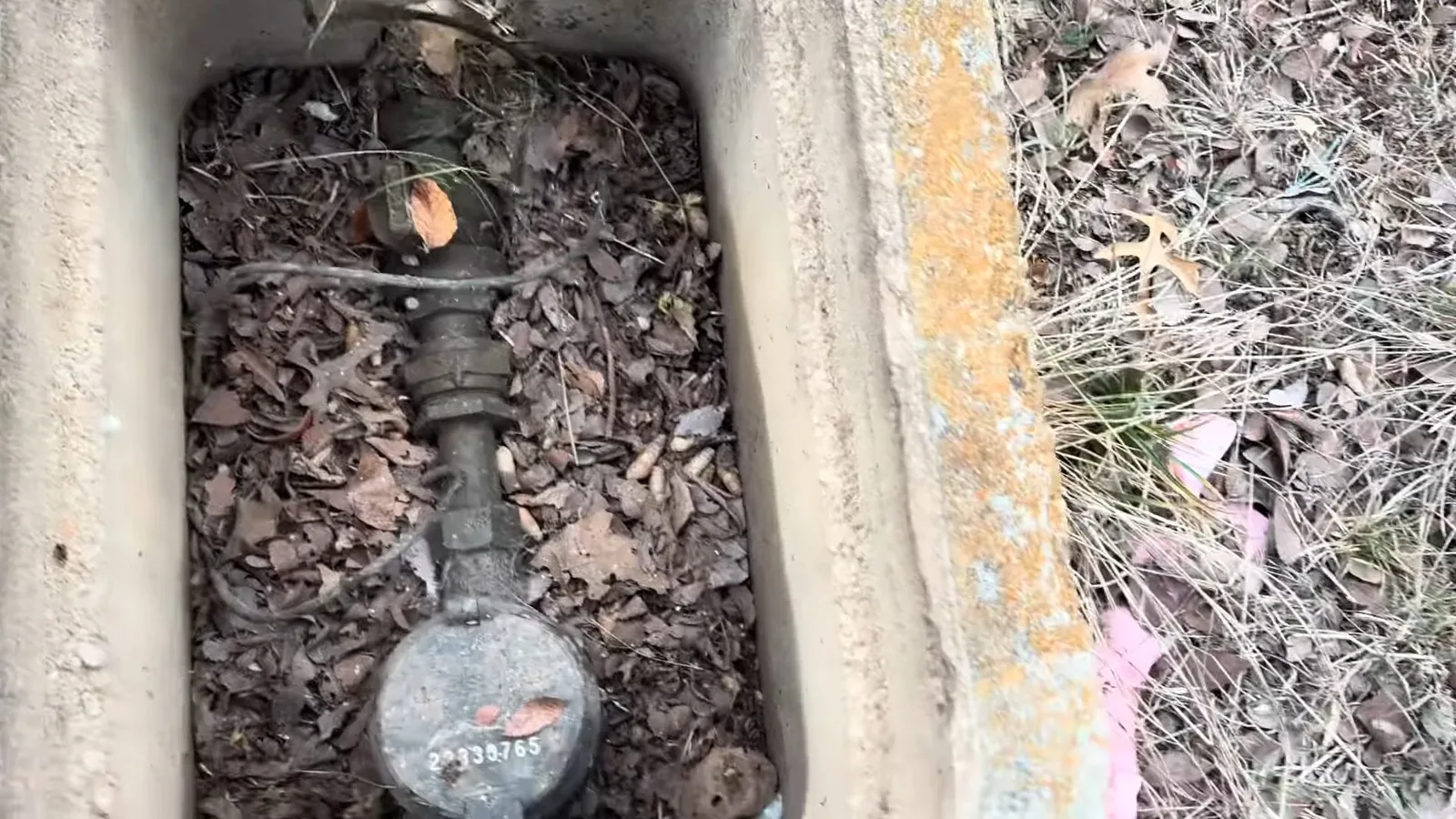
A fifteen-minute meter check
This test tells you whether water is escaping somewhere between the street meter and the fixtures in the house. It takes no tools, it costs nothing to run, and the result changes what you say when you call, so do it before anyone is dispatched.
- Turn off every tap and appliance that uses water, including the ice maker and the irrigation timer.
- Find the meter and note the position of the dial or the small leak indicator.
- Wait fifteen minutes without using any water, then look again.
- If the dial or indicator has moved, water is leaking somewhere on your side of the meter.
How a plumber finds the leak without opening every wall
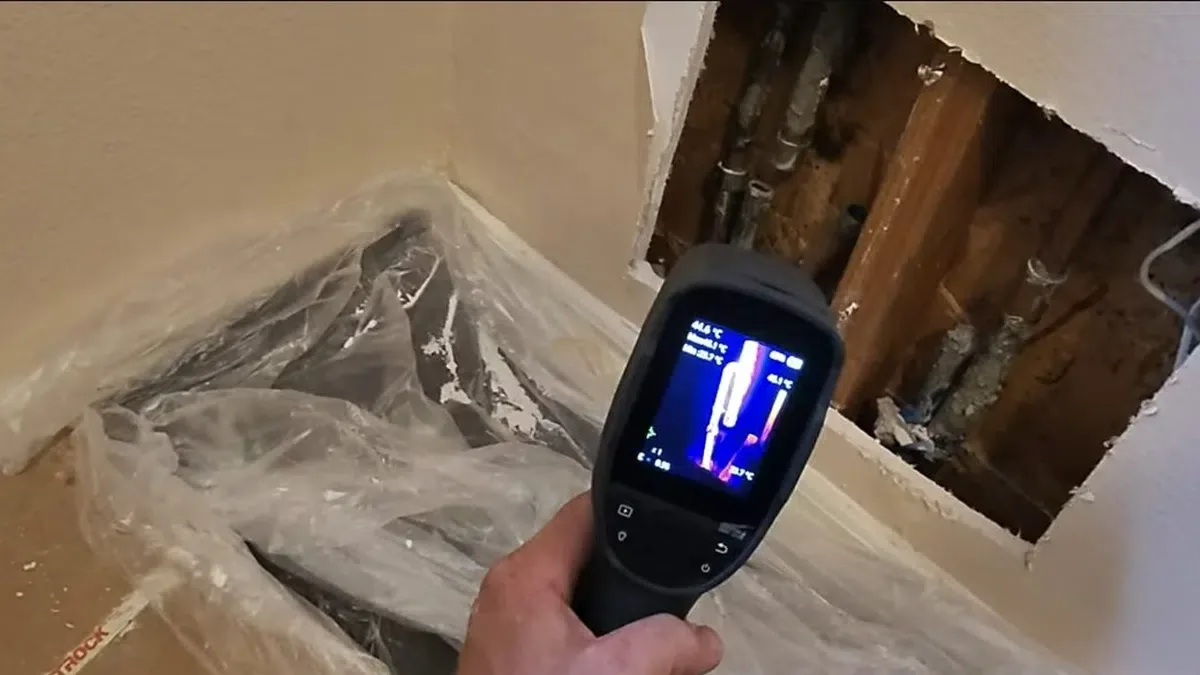
Leak detection technology has moved well past tapping pipes and guessing. Instead of cutting into drywall at the stain, the plumber isolates sections of the system, inspects the relevant plumbing systems with instruments and can locate a leak to within a short distance, so repair starts at the failure and nowhere else. The table lists the methods most visits draw on and the situation each one suits.
| Method | What it picks up | Where it fits |
|---|---|---|
| Electronic and acoustic listening | The sound pressurized water makes escaping a pipe | Leaks in walls, slabs or buried lines when the location is unknown |
| Thermal imaging | Temperature differences where water cools or warms a surface | Hot-water line leaks, wet insulation and damp areas behind finished walls |
| Moisture meters | Moisture held in drywall, wood and flooring | Confirming how far the water has spread before repair |
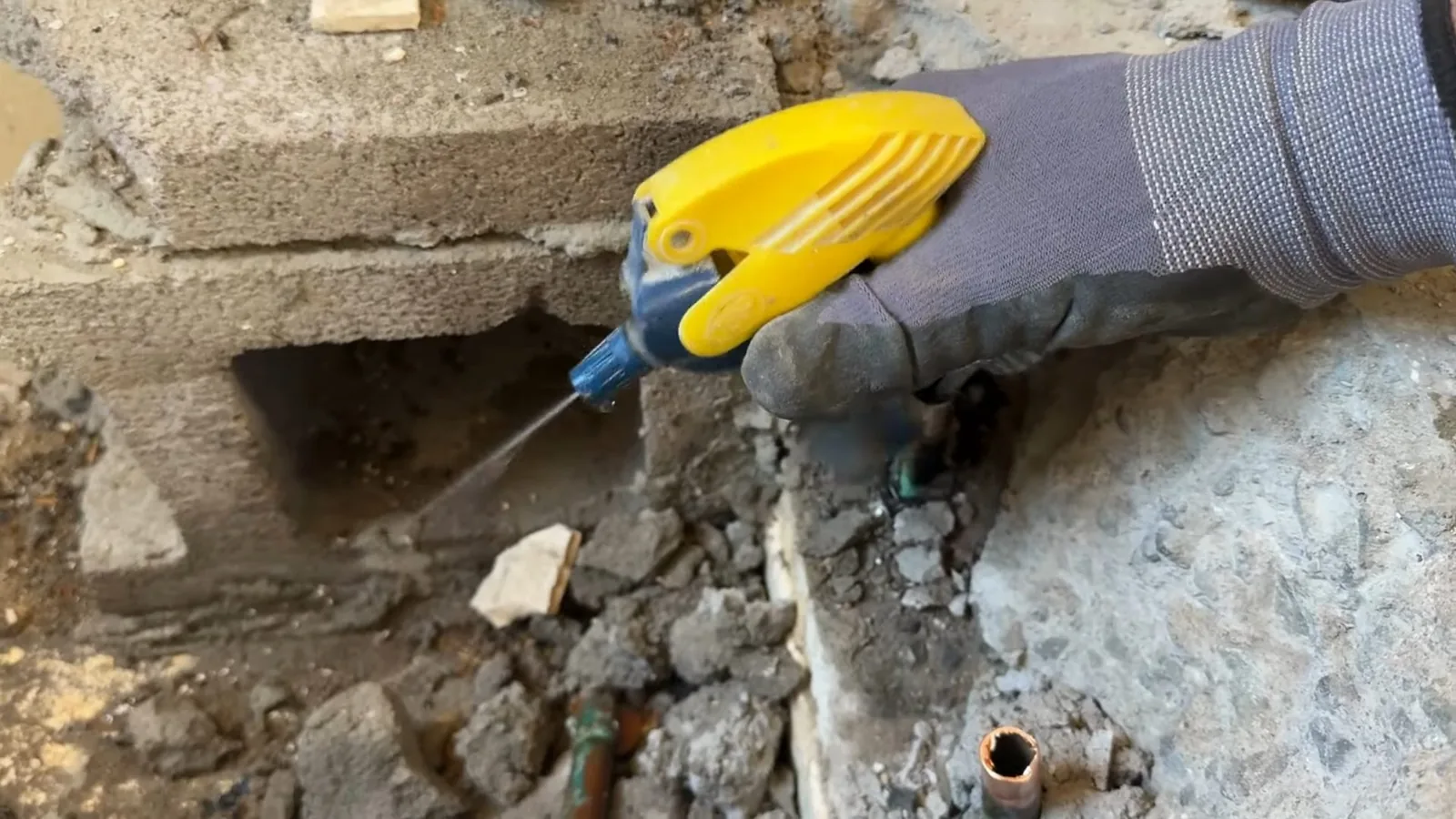
| Pressure and hydrostatic testing | A pressure drop in an isolated section of line | Proving whether a supply branch or a main line is leaking |
| Tracer gas | Gas escaping from a sealed, emptied line | Buried lines where other methods leave doubt |
| Camera inspection | The inside of drain lines and traps | Drain leaks, as opposed to pressurized supply leaks |
Most calls combine two or three of these methods rather than relying on one. A written or photographed record of the leak location, kept with the repair notes, also helps if the damage later leads to an insurance claim, because it shows where the failure was and how it was confirmed.
Not sure where the water is going?
Call now, describe the stain, the bill or the sound, and a plumber can tell you how the search would start.
Leak repair once the source is found
Finding the leak is half the job. The repair depends on what failed and where it sits, and the choice that matters most is whether a spot repair will hold or the section of pipe has reached the end of its life.
Spot repair
A failed fitting, a loose connection or a single pinhole can often be fixed in place with new fittings or a short replacement section. It suits plumbing that is otherwise sound.
Replace the line
Several leaks in the same line, or pipe that is corroded along its length, points to replacing the whole run. Repeated spot repairs usually cost more than one proper replacement.
Where the leak sits decides who is called next. Pinholes along old copper often lead to a conversation about repiping a whole house, while water rising through a floor points to leaks under a concrete slab. A wet patch in the yard may be a failed service line, covered under yard line replacement.
Once the line is fixed and pressure tested, the access opening in drywall or flooring still has to be closed up. Drying the area and checking for mold comes next, and the water damage itself is a separate job from the plumbing repair, so ask who will handle it before the visit ends.
Wall, ceiling, attic and under-house leaks
Where the water shows up says a lot about where to start. A ceiling stain usually means a leak above it, in an upstairs bathroom, an attic line or the roof. A damp wall points to a supply or drain line inside the cavity. Water on a floor can come from the line above or from under the floor itself.
The stain is on the ceiling
Ceiling leak detection starts by working out which fixtures sit overhead and which of them runs when the stain grows. An attic supply line, a shower pan or a toilet seal are the usual candidates. Mark the edge of the stain with a pencil and the date, so the next visit can see whether it is still spreading.
Under the house or in the basement
Whether a home has a crawlspace, a basement or a slab varies from house to house, so confirm which one you have before anyone cuts anything open. Where there is access underneath, a plumber can inspect the lines directly, which is faster and less destructive than searching from above.
Appliance lines
Refrigerator water lines, washing machine hoses and dishwasher connections fail quietly behind appliances. If the floor beside one is soft or discolored, pull the appliance out and check the hose. When the water has already spread, drying and cleanup after a leak is the next step.
Toilet, faucet and shower leaks
Fixture leaks are the simplest to find and the easiest to ignore. A toilet leaking around the base, one that refills by itself, a faucet that drips overnight or a shower valve that weeps behind the wall adds to the water bill every day, and the loss rarely looks like much until the statement arrives.
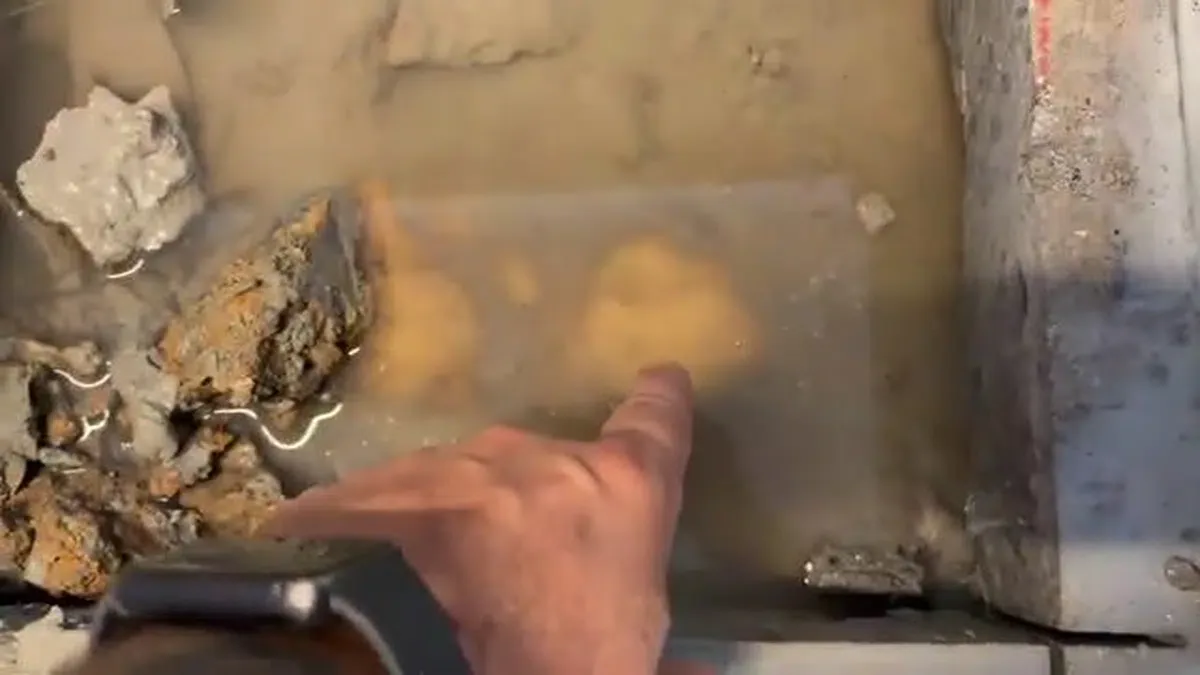
To test a toilet for a silent leak, add a few drops of food coloring to the tank and wait fifteen minutes without flushing. Color in the bowl means the flapper is letting water through. Dripping faucets and tub spouts usually trace to worn cartridges or washers, and a leak behind a shower wall needs the valve body checked. Repairs for these are covered under toilet and faucet repair.
What a slow leak does to the house over time
A small leak that nobody fixes does not stay small. Water that seeps into framing, subfloor and drywall softens the material, feeds mold and loosens flooring adhesive, and the hidden damage often costs more to repair than the pipe that caused it. Leaky pipes behind a wall can run for months before a stain appears.
The longer water runs, the more of the structure it reaches, which is why damage caused by ignoring leaks tends to show up as sagging ceilings, warped floors and a musty smell rather than a single wet spot. Prolonged leaks can weaken the materials they soak, so a plumber who finds one early is usually also saving the finishes around it.
Keep a simple leak history for the house: the date, the location, what was repaired and who did it. A repeat leak in the same line, or leaks that keep appearing at different fittings of the same age, tells the plumber more than any single repair can.
Irrigation, yard and pool leaks
Outdoor leaks hide well because the water soaks away. Look for a patch of lawn that stays green or soggy when the rest is dry, a sprinkler zone with weak pressure, or a meter that moves while the irrigation is off. Closing the irrigation valve and repeating the meter check separates a sprinkler leak from one in the house.
Pool leaks
Canyon Lake has a community pool for members of the property owners association, and many homes list private pools. A pool that loses more than evaporation explains may have a shell leak or a leak in the plumbing lines that carry water to the pump and heater. A bucket test, which compares the water level inside and outside the pool, is the usual first step. Pressure testing the pool lines then shows whether the loss is in the shell or the plumbing.
High water bills, the meter and the district
A high bill with no obvious cause is the most common reason people call. The Elsinore Valley Municipal Water District serves most of Canyon Lake, while Eastern Municipal Water District covers a pocket of homes in the northeast. Call City Hall to confirm which district bills your address, since that district can say where its responsibility ends and yours begins.
If the bill is high and the meter check shows movement, a leak on the house side is likely and worth chasing now. For water that is actively spreading, call the same dispatch line that answers every emergency plumber in Canyon Lake request, and tell the plumber what the meter did.
A stain that keeps growing needs a plumber today
Call the dispatch line, any hour, and say where the water is showing so the right plumber is sent.
Leak detection questions from Canyon Lake homeowners
How do I tell whether a ceiling water spot is a plumbing leak?
Think of a ceiling stain under an upstairs bathroom that grows after showers. That points to a supply line, drain or shower pan overhead. A stain that only appears after rain points to the roof. Watch it for two days, noting when it grows. If it spreads with no rain and no shower, water is coming from pressurized plumbing and a plumber should look.
Can a shower pipe that leaks at the wall be fixed without opening the wall?
A weeping valve trim, a worn cartridge or a loose shower arm can often be repaired from the front. A leak at a cross-threaded or cracked connection inside the wall needs an access opening. Until it is repaired, shut off the supply to the shower if it has its own valve, and keep the area dry.
How long does it take to find a leak in an irrigation or sprinkler line?
It depends on how many zones there are and how well the lines are mapped. Closing the valve to each zone and watching the meter narrows the search to one zone quickly. Pinpointing the break inside that zone can take longer when pipe runs under hardscape. A plumber can usually say after the first visit whether the search is short or long.
Who handles a leaking refrigerator water line that is flooding the kitchen floor?
Two jobs are involved. A plumber can shut off and replace the supply line and fitting, which are part of the house plumbing. An appliance technician handles the ice maker or water inlet valve inside the refrigerator. Close the small shutoff valve behind or beside the unit first, then call for the part of the problem that matches what failed.
A leak does not stop on its own
Phone at any hour, describe the stain, the sound or the bill, and a plumber serving your area will take it from there.
- Licensed and insured plumbers
- Same-day service when available
- 24/7 emergency dispatch