
Water Heater Repair in Canyon Lake: Cold Showers, Pilot Problems and Leaking Tanks
Nothing ruins a morning like a shower that never warms up. Water heaters fail in a handful of predictable ways, and most are easy to tell apart. Call the dispatch line, say what the heater is doing and a plumber can tell you whether it needs a repair or a replacement.
- Licensed and insured plumbers
- Same-day service when available
- 24/7 emergency dispatch
What the heater is doing and what it usually means
Water heaters rarely fail without warning. A change in how the water behaves, a new noise or a damp spot at the base usually appears first. The table matches the common symptoms to the usual cause, and to whether repair is likely to be enough.
| Symptom | Common cause | Repair or replace |
|---|---|---|
| No hot water at all (gas) | Pilot out, failed thermocouple or a gas supply problem | Usually a repair |
| No hot water at all (electric) | Tripped breaker, failed heating element or thermostat | Usually a repair |
| Water is warm, not hot | One failed element, a thermostat setting or sediment | Usually a repair |
| Rumbling or popping noises | Sediment hardened on the bottom of the tank | Flush may help; an old tank may not recover |
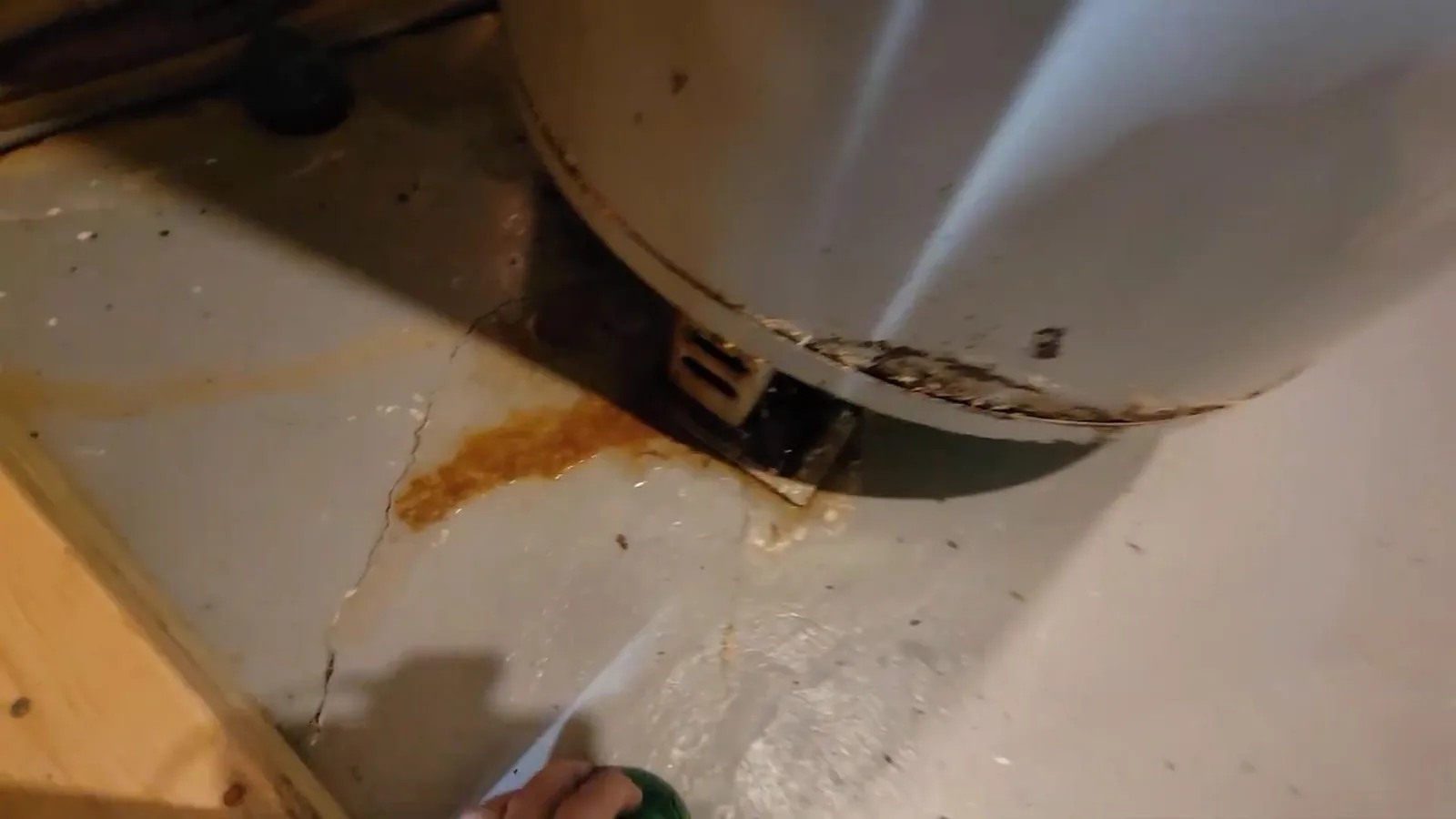
| Rust-colored hot water | Corrosion inside the tank or rusting fittings | Often points to replacement |
| Water pooling around the base | A leaking fitting, valve or the tank itself | Fitting leaks repair; tank leaks mean replace |
A plumber can usually narrow the cause on the phone from the symptom, the heater type and its age, which saves a trip when the answer is a simple reset and gets the right part on the truck when it is not.
Gas or electric: where the plumber looks first
The fuel type decides the checklist. Gas heaters rely on a flame, a gas valve and a safety sensor that proves the pilot is lit. Electric heaters depend on power, a pair of heating elements and thermostats. Knowing which you have, and its age, shortens the diagnosis.
Gas water heaters
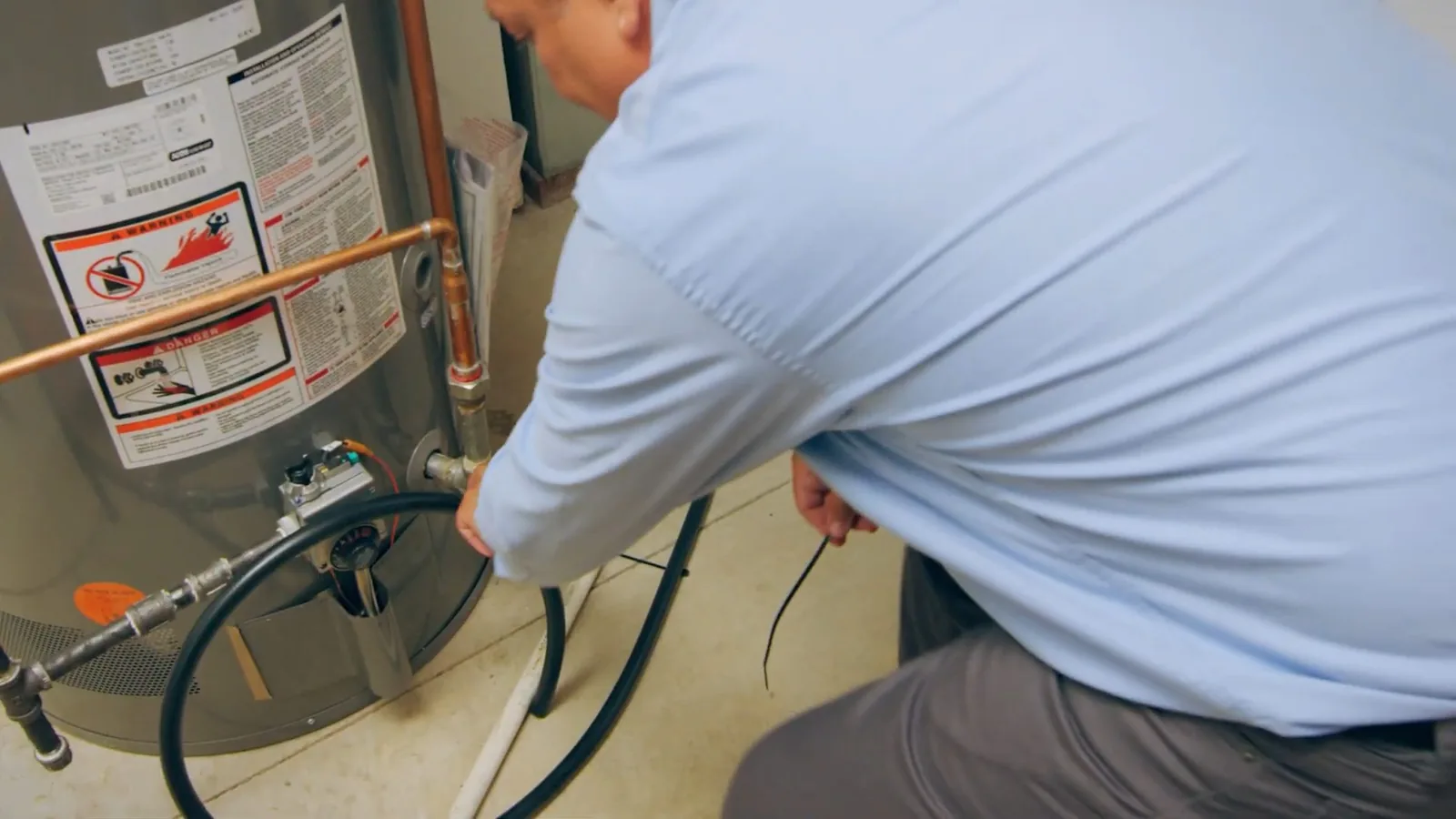
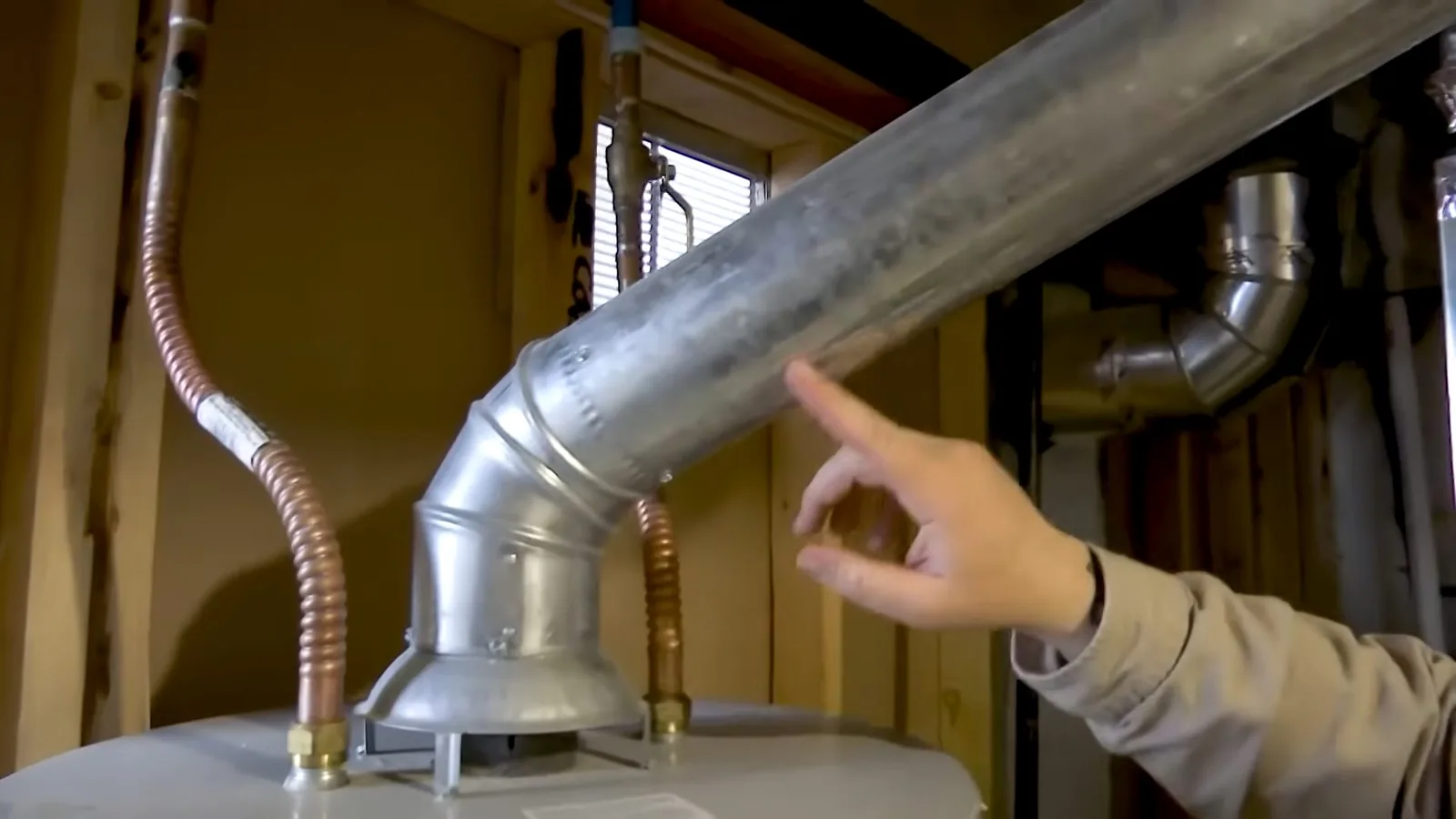
A pilot that will not stay lit often traces to a worn thermocouple, a dirty pilot assembly, a failing igniter or a draft in the vent, and a burner that lights unevenly points the same way. Replacing the part is a short visit. A gas valve that fails, or a flame that burns yellow instead of blue, needs prompt attention and should not be adjusted by guesswork.
Electric water heaters
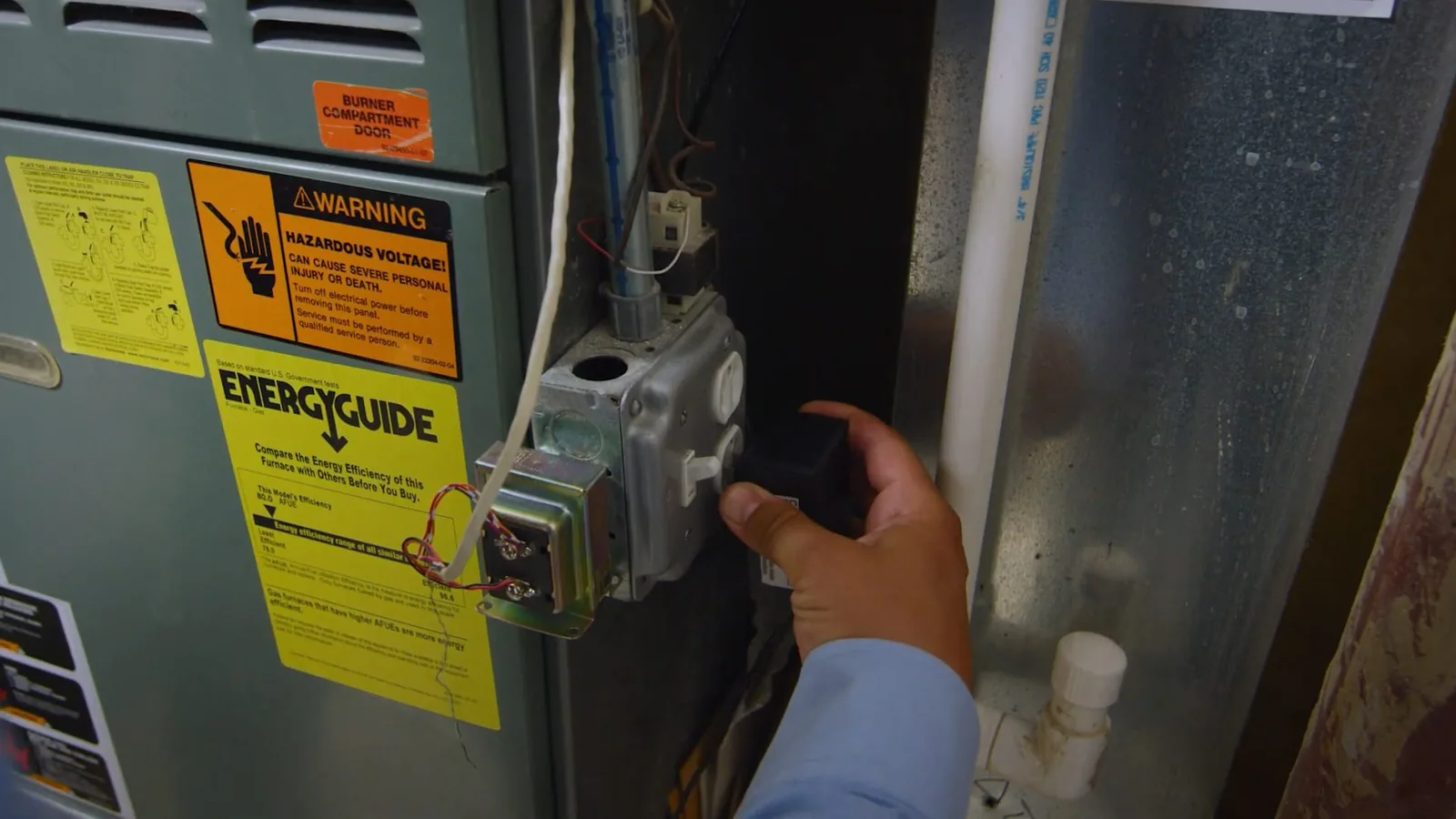
The usual faults are a tripped breaker, a failed element or a thermostat that no longer shuts off. One bad element gives lukewarm water, and two bad elements give none. Testing each part with a meter confirms which one failed before anything is replaced.
Cold shower and no idea why?
Call and describe what the heater is doing. A plumber can often tell whether it is a reset, a part or a bigger problem.
Checks to make before calling
A few quick checks rule out the simple causes and give the plumber something to work with when you call. None of them require opening the tank, removing a panel or touching wiring, so they are safe to try even if you have never looked at the heater before.
- Check the breaker or the fuse for the heater and reset it once if it tripped.
- Look at the temperature dial or setting, since it can be bumped or lowered.
- For gas, check whether the pilot is lit through the viewing window.
- Feel the pipes above the heater: hot outlet pipe with cold taps suggests a problem elsewhere.
- Look under the tank for moisture, and note where it comes from.
Leaks at the tank and when repair stops making sense
A leak from a fitting, a relief valve or a connection can be fixed in place. A leak from the tank body cannot, because the steel itself has failed. That distinction is the most useful one a plumber can make, and it is worth asking for before any part is ordered.
Repair makes sense
The tank is sound, the problem is a part, and the heater is not near the end of its expected life. A new element, thermostat or valve restores it for years.
Replace instead
The tank leaks, rust shows in the hot water, or several parts have failed close together. Further repairs on a worn tank usually delay the replacement rather than avoid it.
If the answer is replacement, water heater installation visit covers the swap, and a tankless water heater is the other option to weigh against a new tank. Ask the plumber to explain the trade-offs for your household, your hot water use and your available space before choosing.
If water is spreading from the tank body, shut the cold supply valve at the top of the heater and switch off the gas or power, then call. Those two steps limit the damage while you wait for a plumber to arrive, and they cost nothing to do. A tank that has already flooded a utility closet or garage then leads to drying out after a failed tank.
Seismic strapping and permits
California requires residential water heaters to be braced, anchored or strapped, whether the unit is new, a replacement or already in place. If your heater stands loose, ask the plumber to add strapping during the visit, because a heater that tips in an earthquake can break its gas or water connections.
A simple repair such as a thermostat or element does not usually involve a permit, but a replacement does. Canyon Lake has adopted the 2022 California building codes, so ask the plumber to confirm who pulls the permit with the City.
Hard water, sediment and shorter heater life
Minerals settle out of heated water and collect at the bottom of the tank. They insulate the water from the burner or coat the elements, so the heater works harder for less hot water, and the tank rumbles as steam bubbles push through the layer.
That range puts much of the supply in the moderately hard to hard category. Periodic flushing helps remove what has already settled, and a softener or filter reduces how much scale forms in the first place, which is worth raising if the heater has already needed a flush.
Get hot water back today
Call the dispatch line and describe the heater. A plumber serving your area can diagnose the fault and explain the fix.
Water heater repair questions
Why does my pilot light keep going out?
The usual causes are a worn thermocouple, a dirty pilot opening or a draft pulling the flame off. Relighting once is reasonable. If it dies again within days, the sensor is probably failing and the heater is not proving the flame, which is a safety shutdown. A plumber can replace the part quickly.
Is it normal for a water heater to make popping sounds?
Popping or rumbling usually means sediment has built up on the bottom of the tank, trapping water that boils beneath it. It is common with mineral-rich water. Flushing the tank can help if done early. Heavy buildup in an older tank is a sign the heater is wearing out.
Can I fix a water heater that leaks from the bottom?
It depends where the water comes from. A drain valve, a relief valve or a loose pipe fitting can be replaced. Water seeping from the tank body means the tank has failed and cannot be repaired. Turn off the water and power to the heater and have a plumber confirm the source.
How do I know if my electric heater has a bad element?
A single failed element gives lukewarm water or a short supply of hot water, and two failed elements give none. A plumber tests each with a meter. The test takes minutes, and replacing an element is a far smaller job than replacing the whole unit.
A cold shower is a fixable problem
Phone dispatch and a plumber serving your area can diagnose the heater, then say whether a part or a new unit is the answer.
- Licensed and insured plumbers
- Same-day service when available
- 24/7 emergency dispatch