
Emergency Slab Leak Detection in Canyon Lake: Warm Floors, Wet Carpet and Running Meters
A slab leak is a break in a water line that runs under or inside a concrete floor. The signs are a warm patch underfoot, damp flooring or a meter that keeps running. Call the dispatch line to have a plumber confirm whether the leak is under the slab at all.
- Licensed and insured plumbers
- Same-day service when available
- 24/7 emergency dispatch
Confirm what your house sits on before blaming the slab
Not every Canyon Lake home is built on a concrete slab. Some have raised floors over a crawlspace, and some sit on hillside lots with a mix of foundation types. Before anyone talks about a slab leak, confirm which kind of floor you have, because the search and the repair are different for each. A plumber can usually tell on arrival.
Once the foundation is confirmed, these are the signs that point to water escaping from a line under a floor rather than from a fixture or a wall. Several of them together are more telling than any single one, so note everything you have seen or heard.
Spotting a slab leak early keeps the repair small and the floor intact. Residential slab leak services start with a consultation call, in which the plumber asks about the meter, the bill and what you feel underfoot, then advises whether a visit is needed. Ask for that conversation before assuming the worst.
- A floor spot that feels warm, as if heated, with the heating system off
- The sound of running water under the floor when everything is shut off
- Damp carpet, bubbling laminate or lifting tile with no obvious source
- A water meter that keeps turning after all the taps are closed
- Hot water that takes longer to arrive, or a water heater that runs more than it used to
- Low water pressure in several rooms at once
- A sudden jump in the water bill
How a plumber locates a leak under the floor
The aim is to mark the break to within a foot or two, so any opening in the floor is small. The plumber first proves that the leak is on the pressurized side, then isolates which line is losing water, and only then pinpoints the spot. The table shows what each clue suggests and the step that usually follows.
| What you notice | What it suggests | Likely next step |
|---|---|---|
| Warm spot on the floor | A hot water line leaking beneath the surface | Thermal imaging, then acoustic listening to mark the spot |
| Meter moves with every tap off | Water is escaping somewhere on the house side | Shut off branches one at a time to find the failing line |
| Sound of water, no visible source | A pressurized line is leaking, but the location is unknown | Electronic listening along the suspected route |
| Wet flooring along one wall | A line near the wall, or a drain or fixture leak | Moisture mapping, then a pressure test of the nearby supply |
| Low pressure and long waits for hot water | A hot line is leaking or has partly failed | Pressure test of the hot side, then a water heater check |
Some of these clues also fit a failing fixture or a drain problem, which is why isolating the line comes before any cutting. When the floor is not the culprit, general leak finding in walls, ceilings and yard lines is the broader search. The plumber should be able to tell you what was ruled out and how the final location was confirmed.
Warm floor or a meter that will not stop?
Call now and tell the plumber what you feel underfoot and what the meter is doing. That is enough to start.
Three ways to repair a leak beneath the floor
Once the leak is located, the choice is between opening the floor at the spot, avoiding the slab altogether, or lining the old pipe. Which one fits depends on the pipe material, how many leaks there are, and how much of the floor is finished.
Open the floor and fix the spot
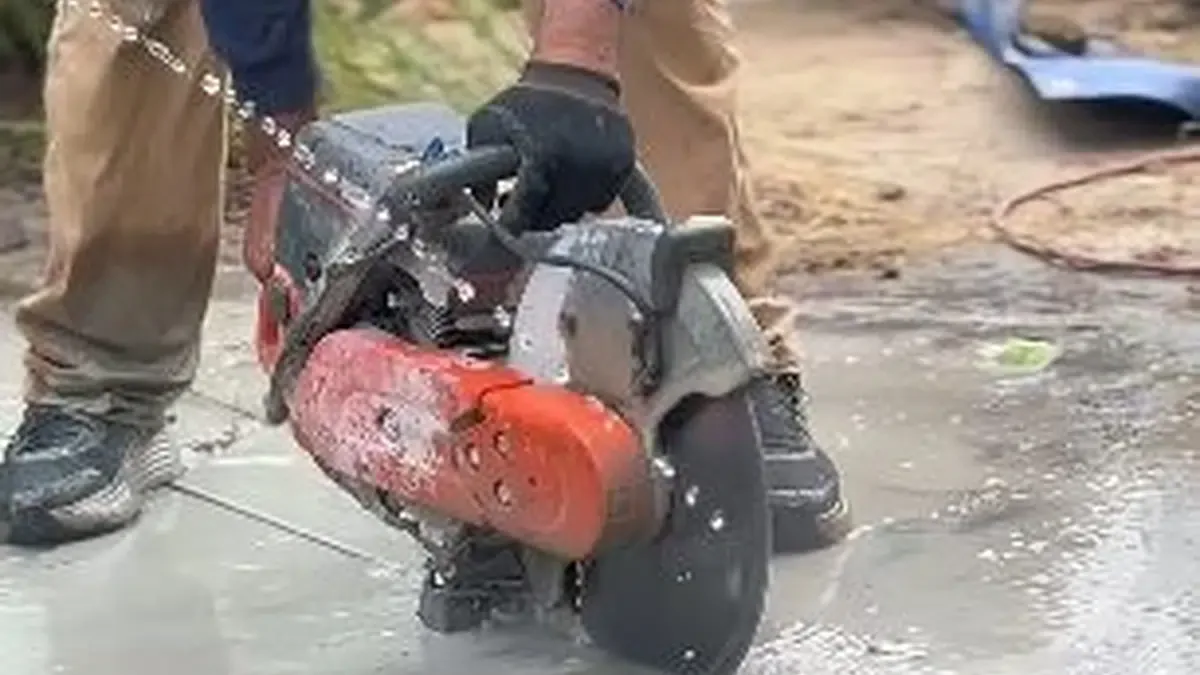
The plumber cuts a small opening in the floor above the break, repairs or replaces the damaged section and tests it. This suits a single leak on otherwise sound pipe, and it is the quickest route. Flooring over the opening then has to be patched or replaced to match.
Reroute the line overhead
When the pipe under the slab is failing in several places, a new line can be run through the walls or attic and the old one abandoned. It avoids repeated floor cuts, and it overlaps with whole-house repiping when most of the supply system is the same age. For the broader question of who to call first, the homepage overview of dispatch explains who answers and what to say.
Line the pipe
Epoxy lining coats the inside of an existing pipe so it can stay in place without opening the floor along its length. It is not suited to every pipe or every fitting, so ask the plumber why lining was or was not recommended for yours before agreeing.
Hot water clues and the water heater
A leak on the hot side can hide behind symptoms that look like a water heater problem. If the heater runs often, the burner or elements cycle without a clear reason, or the hot tap takes a long time to deliver, water may be escaping from the hot line before it reaches the fixture.
That is why a plumber checking for a slab leak will often look at the heater too. If the unit itself is the weak point, water heater repair service is a separate call. Matching what the heater is doing to what the floor is doing helps the plumber decide where to look first.
What to do while you wait for the plumber
A few steps limit the damage before the plumber arrives, and none of them need tools. Take them in order, and stop if any step would put you near standing water and electricity at the same time, because that combination is the real danger.
- Close the main shutoff valve, usually near the meter or where the line enters the house.
- Open a cold tap at the lowest point to release pressure and drain the line.
- Move rugs, boxes and furniture off damp flooring, and photograph the wet areas with the date.
- Switch off the water heater if the leak is on the hot side and the plumber advises it.
- Note what you saw and heard, and the position of the meter dial, so you can describe it on the call.
If the floor and the walls are already wet, the next job after the plumbing is fixed is drying them out and checking for mold. water damage restoration service covers that part, and it is worth lining up early because wet materials worsen quickly.
Outside work, access and 811
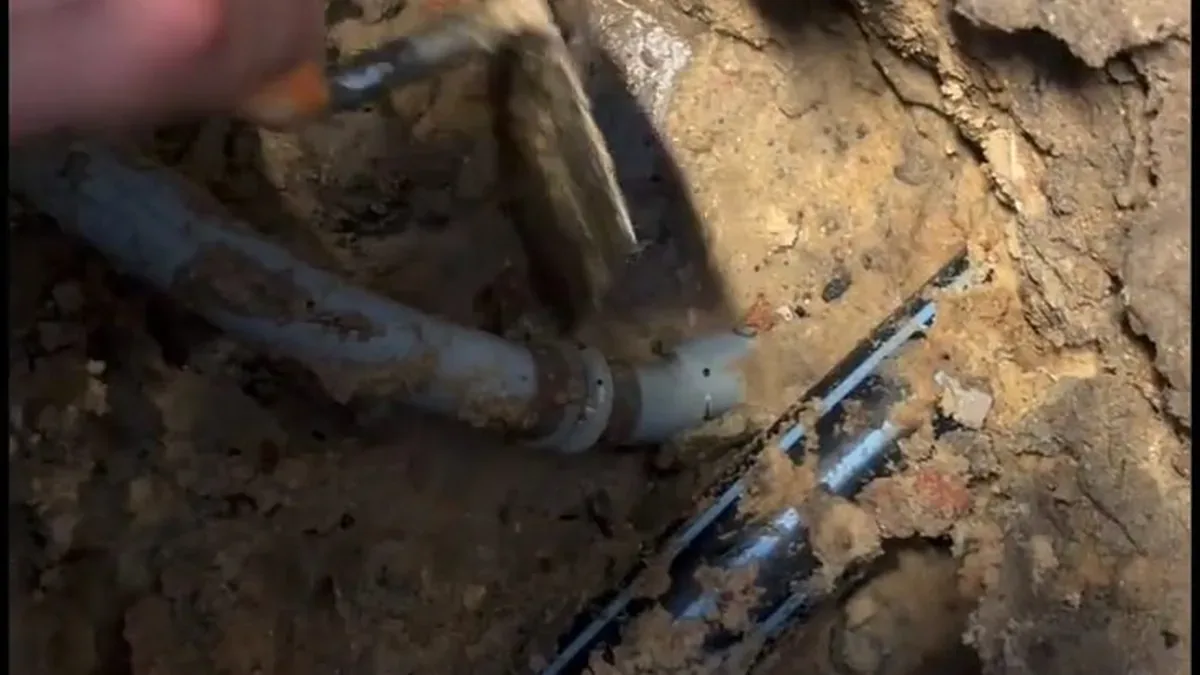
Most slab leak repairs happen inside the house, but a service line that fails before the house, or a reroute that crosses the yard, can need digging. Anyone digging in Riverside County is expected to call 811 first so that buried utilities are marked. Ask the plumber who will make that call and how long it can add to the schedule.
For a leak outside the house, the work is closer to service line replacement than to a slab repair, and the plumber can say which it is after the first look at the meter, the shutoff and the route the line takes.
Do not guess where the water is going
Phone at any hour and a plumber can talk through your signs and say how likely a floor leak is.
Slab leak questions answered
Why is one spot on my floor warm when the heat is off?
A warm patch can mean a hot water line is leaking beneath it, since the water warms the concrete or flooring above. It can also come from sunlight, a vent or ductwork. If the spot stays warm at night, with the heating off, and the hot tap is slow to deliver, treat it as a possible leak and have a plumber check the line.
Can I tell by myself whether the leak is under the slab or in a wall?
Only roughly. Run the meter check with every tap closed. If the meter moves, there is a leak on the house side. Damp spots, sound and warmth then suggest the area. Telling a floor leak from a wall or fixture leak takes a pressure test, which is why the first visit usually isolates lines before anything is opened.
How much of my floor will have to be opened up?
It depends on the method. A located spot repair needs a small opening above the break. A reroute through walls or the attic avoids cutting the floor but opens wall sections. Lining needs only access points at the ends of the pipe. Ask the plumber to show where each opening would be before agreeing to the work.
Will my homeowners insurance cover a leak under the floor?
That depends on the policy, and the plumber cannot decide it. Many policies treat sudden damage differently from long-term seepage. Keep the dated photographs, the plumber's written findings and any receipts, and call the insurer before the repair is finished so that a claim is not complicated by work that has already been closed up.
A leak under the floor will not fix itself
Call the dispatch line now and describe the warm spot, the sound or the meter to a plumber serving your area.
- Licensed and insured plumbers
- Same-day service when available
- 24/7 emergency dispatch