
Drain Cleaning in Canyon Lake: Slow Sinks, Backed-Up Tubs and Stubborn Clogs
A drain that gurgles, runs slowly or backs up is telling you something is blocking the pipe. Call the dispatch line, say which drains are affected and a plumber can clear the blockage and tell you whether it will return.
- Licensed and insured plumbers
- Same-day service when available
- 24/7 emergency dispatch
Which drain is backing up tells you where the clog is
One slow sink points to a clog in that fixture’s own pipe. Several fixtures slowing at once point to a blockage farther along, and a toilet that gurgles when the washing machine drains points toward the main line. Matching the symptom to the location saves time on the call and helps the plumber bring the right equipment.
| What you see | Where the clog probably is | What it means |
|---|---|---|
| One sink or tub drains slowly | The trap or branch pipe of that fixture | Usually a local clog that cleaning clears quickly |
| Kitchen sink and dishwasher back up together | The kitchen branch line | Grease and food buildup further down the pipe |
| Bathroom sink, tub and toilet all slow | The bathroom branch or the main line | A deeper blockage, often needing a longer cable or jetting |
| Toilet gurgles when another fixture drains | The main drain or the vent | Air is being pushed back, which a main line clog often does |
| Water backs up in the lowest drain in the house | The main line or the sewer lateral | A blockage that affects the whole house |
Before you call: what to try and what to skip
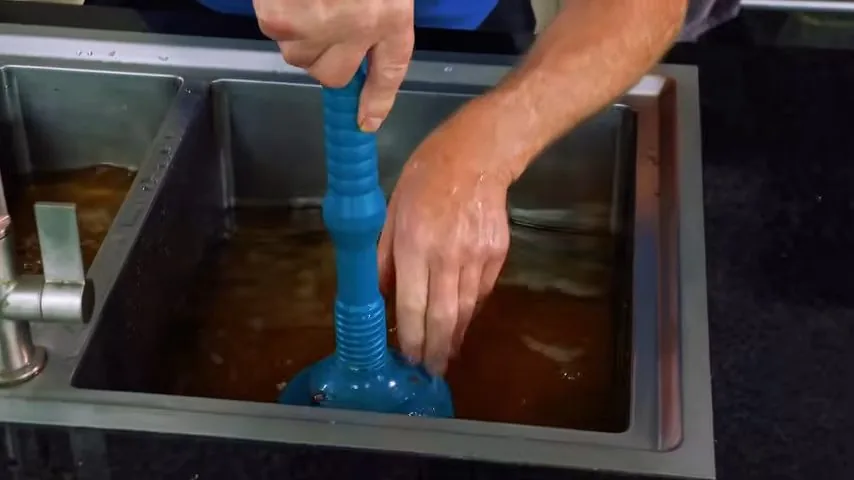
A plunger and a bit of patience clear many minor clogs. The steps below are safe for most homes, and they also tell you something useful if they fail, because a clog that survives them is probably not at the fixture.
- Remove standing water with a cup so you can see what the plunger is working against.
- Plunge with a tight seal for about twenty seconds, using a flat plunger on sinks and a flanged one on toilets.
- Pull out the stopper or strainer and clear the hair and debris it holds.
- Run hot tap water for a minute to check whether the drain now moves freely.
Kitchen, bathroom and laundry clogs
Each room clogs for different reasons, so the cleaning method and the advice that follows it differ too. Kitchens clog with grease and food, bathrooms with hair and soap, and laundry lines with lint, so the fix for one rarely suits the next.
The kitchen sink
Grease, coffee grounds and food scraps collect on the inside of the kitchen drain and harden over time. A sink that drains a little slower each month usually has a narrowing pipe, and cleaning removes the buildup rather than boring a hole through it. If a disposal is installed, a jam there is a separate problem covered under disposal repair.
Showers and tubs
Hair and soap scum form a mat around the drain strainer and just below it. Pulling out the hair catches the most common cause. A tub that stays slow after the strainer is cleaned points to a clog in the branch line, and that is where a cable or a jetting head has to reach.
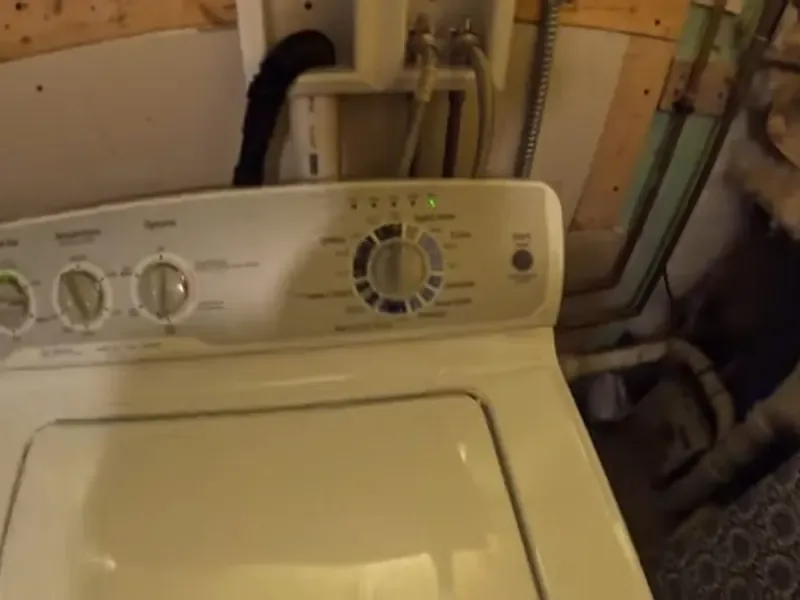
The washing machine standpipe
Lint and detergent residue narrow the standpipe over the years. If water rises in the standpipe during the drain cycle, the line is too restricted for the pump’s flow and should be cleaned before it overflows onto the laundry floor.
A drain that will not clear is worth a call
Tell the plumber which fixtures are slow and whether anything backs up. The answer decides what gets cleaned first.
When more than one drain backs up
Two or more fixtures backing up together is the main sign of a blockage in the main drain. Water from the highest fixtures has nowhere to go and rises in the lowest opening, most often a tub, a shower or a floor drain. Stop using water at once and avoid flushing, since every use sends more into the house.
If a camera inspection shows roots, a collapsed section or a bellied pipe, cleaning alone will not hold, and the repair belongs under sewer line repair. Who owns the pipe can matter too. Elsinore Valley Municipal Water District covers most of the community and Eastern Municipal Water District a small northeastern area, so confirm which one serves you before assuming the blockage is on your side.
Snaking, hydro-jetting and camera work
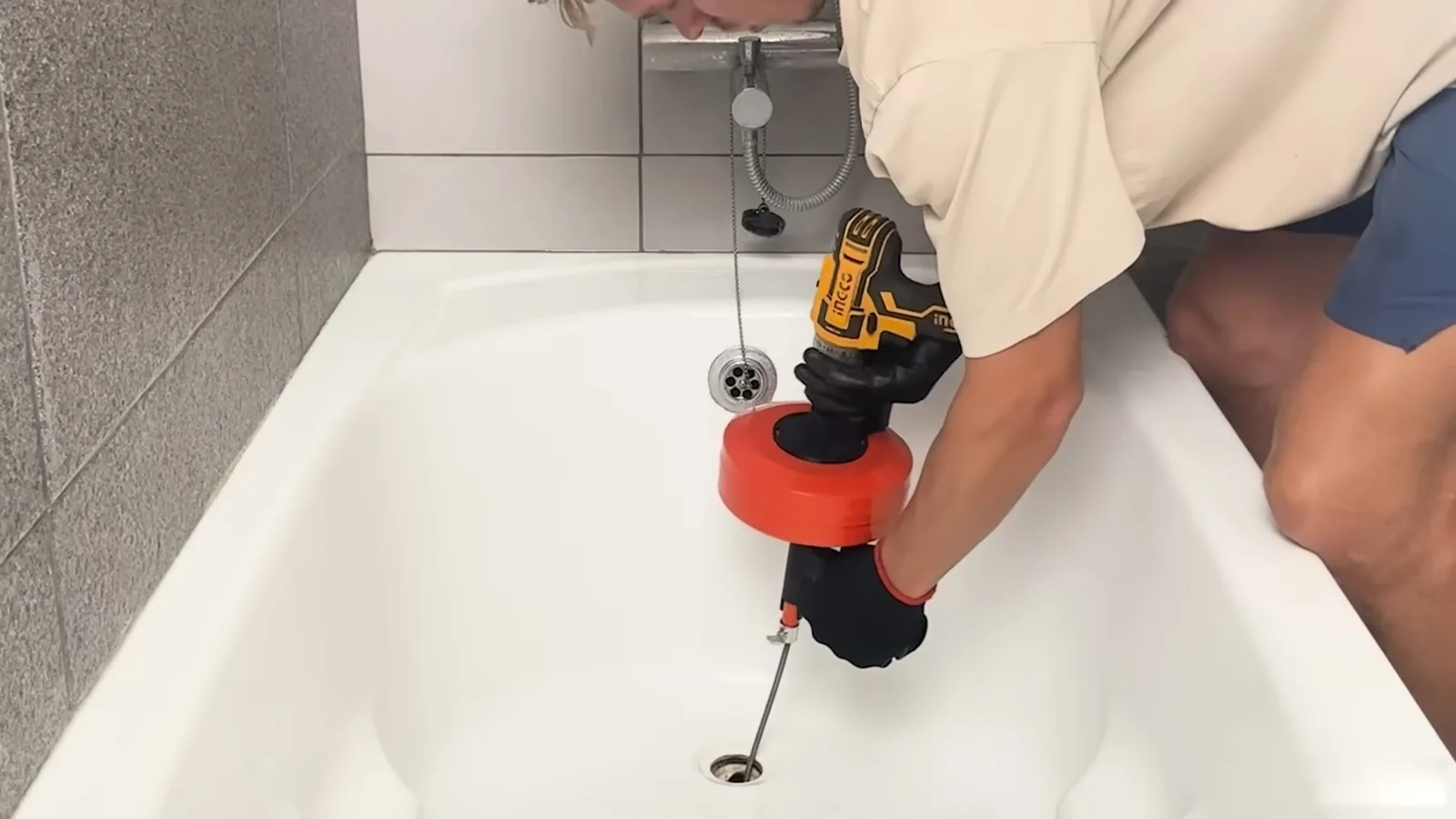
Plumbers use different tools for different blockages, and the right one depends on what is in the pipe, how far along the line it sits and whether the same drain has clogged before. Two choices cover most calls, and the plumber should say which one is being used and why.
Cable and auger
A rotating cable breaks through or pulls out a soft clog such as hair or paper. It is quick and suits most single-fixture blockages, though it can leave a thin film of buildup on the pipe wall.
Hydro-jetting
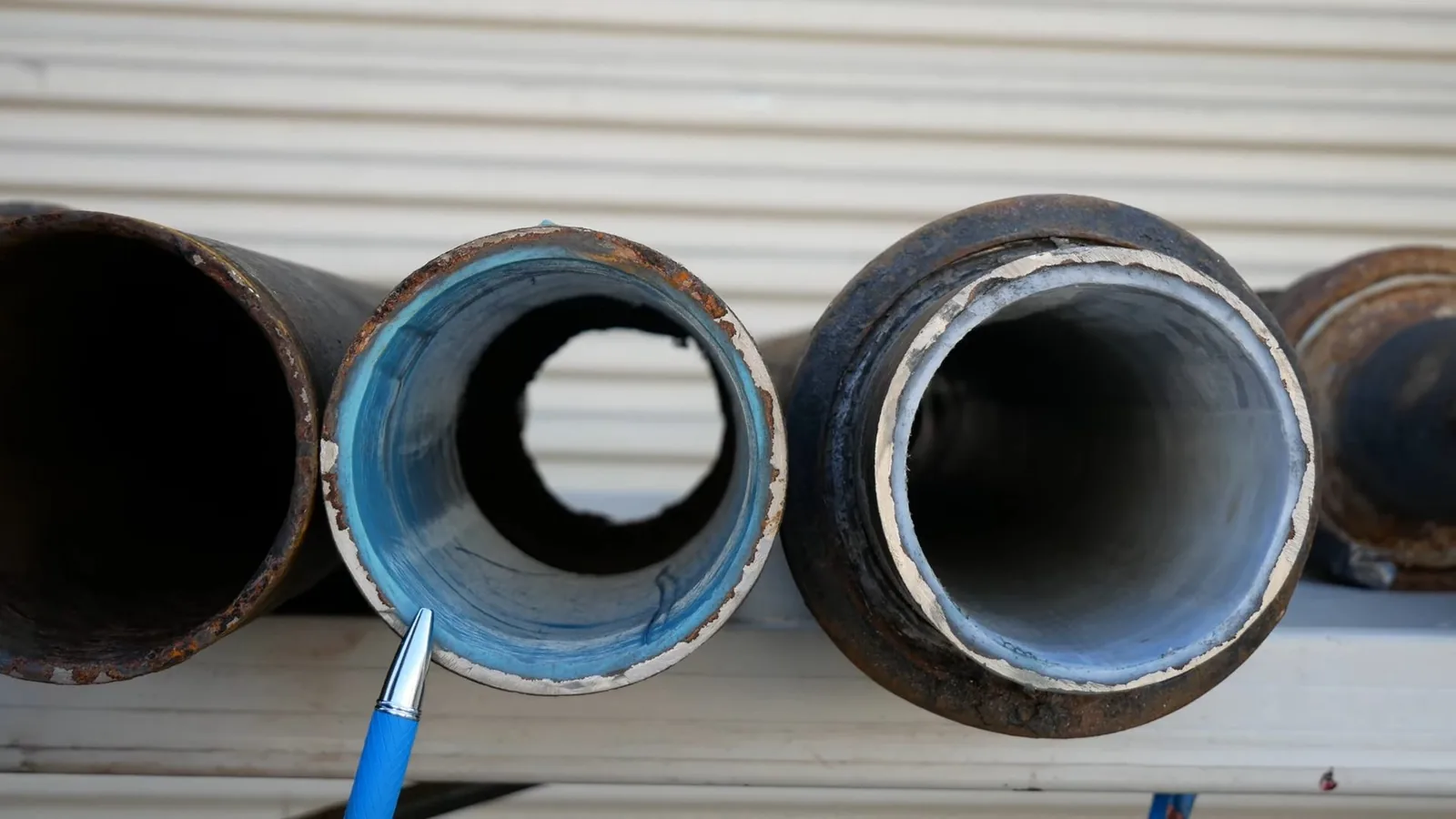
High-pressure water scours grease, scale and light root growth off the inside of the pipe. It suits repeat clogs and heavy buildup, and a camera check beforehand confirms the pipe can take the pressure.
A camera inspection shows the cause directly, which matters when a drain has been cleaned more than once and still returns. Hydrojet cleaning, also written hydrojetting, suits mainline drain cleaning and snaking that has not held, and drainage work on a line that keeps filling again starts with the footage. Ask for the footage or at least a description of what was seen, so you can decide on next steps with facts rather than a guess.
Smells that come back after the drain is cleaned
A drain odor that returns after cleaning has a source that the cleaning did not reach. Persistent drain odors despite cleaning often come from a dry trap in a rarely used fixture, a film of buildup on the pipe wall above the waterline, or a vent that is partly blocked and lets sewer gas back into the room. Run water in unused drains monthly to refill the traps.
A smell with no slow drain can also come from a leak. A line that drips inside a wall or under a floor keeps the area damp and sour, which is a job for a leak detection visit. If a drain leak and a clog show up together, mention both on the call so the plumber brings a camera and listening gear as well as a cable.
Keeping drains clear afterwards
Most repeat clogs come from household habits that are easy to change once you know them. The list below covers what a plumber most often suggests after cleaning a line, and each item takes only a few minutes to put into practice.
- Scrape plates into the trash, not the sink, and pour cooking grease into a can
- Fit a mesh strainer over tub and shower drains and empty it each week
- Flush only toilet paper, not wipes sold as flushable
- Run hot water for a minute after the dishes to move residue along
- Clean washer lint traps and standpipes once or twice a year
- Note which drain slows first, since the pattern helps the next visit
Homes with trees close to the sewer line can see roots enter through small joints. A drain that slows seasonally, or only after rain or irrigation, deserves a camera check rather than another round of cleaning, since cleaning alone only buys time while the roots keep growing.
Stop using water and call
A drain backing up into a tub or shower needs attention today. Call and describe which fixtures are affected.
Drain cleaning questions from Canyon Lake homeowners
Why does my shower drain slowly again a week after it was cleaned?
Cleaning removes the blockage, but a rough or narrowed pipe collects debris again quickly. If hair was removed from the strainer and the drain still slows, the branch line may be coated with soap scum, or there may be a partial blockage further down. A camera check shows which, and jetting can clean the pipe wall itself.
Is it safe to use a snake on my own kitchen sink?
A small hand auger is fine for a trap or the first few feet of line. Pushing a cable past the trap into a longer run is where problems start, because it can scratch the pipe or jam in a bend. If the auger will not pass or the water does not move, stop and call rather than forcing it.
What does it mean when my toilet bubbles while the shower drains?
Air is being pushed back through the nearest opening, which is often the toilet. It suggests the main drain is restricted, so that two fixtures in the same line are competing for the same exit. Avoid running more water, and have the main line cleaned and inspected before it backs up into the house.
Can tree roots block a drain without any warning?
Roots usually give signs first: a drain that slows after rain, gurgling at several fixtures, or a blockage that comes back every few months. They enter at joints and grow inside the pipe. Cutting them out clears the line, but a camera inspection shows whether the pipe is cracked and needs repair or whether regular cleaning will do.
Get the line cleared and learn why it clogged
Call the dispatch line and a plumber serving your area can clear the blockage and explain what caused it.
- Licensed and insured plumbers
- Same-day service when available
- 24/7 emergency dispatch