
Water Line Repair in Canyon Lake: From the Meter to the House
A wet patch in the yard, a meter that spins with every tap off or pressure that suddenly drops can all trace to the line between the street and the house. Phone dispatch and a plumber can begin working out which one it is.
- Licensed and insured plumbers
- Same-day service when available
- 24/7 emergency dispatch
Signs the line to the house is leaking
The service line is the pipe that carries water from the meter to the house, and it is buried. Leaks in it rarely show up as a clean puddle. They appear as indirect signs, and the table lists the most common and what each one tells you.
| Sign | What it suggests | Quick check |
|---|---|---|
| Meter dial turns with everything off | A leak somewhere past the meter | Watch the low-flow indicator for five minutes |
| Soggy or unusually green spot in the yard | Buried line leaking toward the surface | Look along the path from meter to house |
| Pressure fell all at once | Break, closed valve or failed regulator | Check whether all taps are affected |
| Higher water bill with no change in use | Slow leak on the supply side | Compare with previous months |
| Dirty water after a repair or street work | Disturbed sediment or a damaged section | Run an outside tap until clear |
Do the meter check with every tap and appliance off, ice maker included. A moving low-flow indicator means water is leaving the system somewhere, and a plumber can then trace whether it is on the supply line or inside the house, using leak finding methods where nothing shows on the surface.
Whose pipe is it, and who do you call?
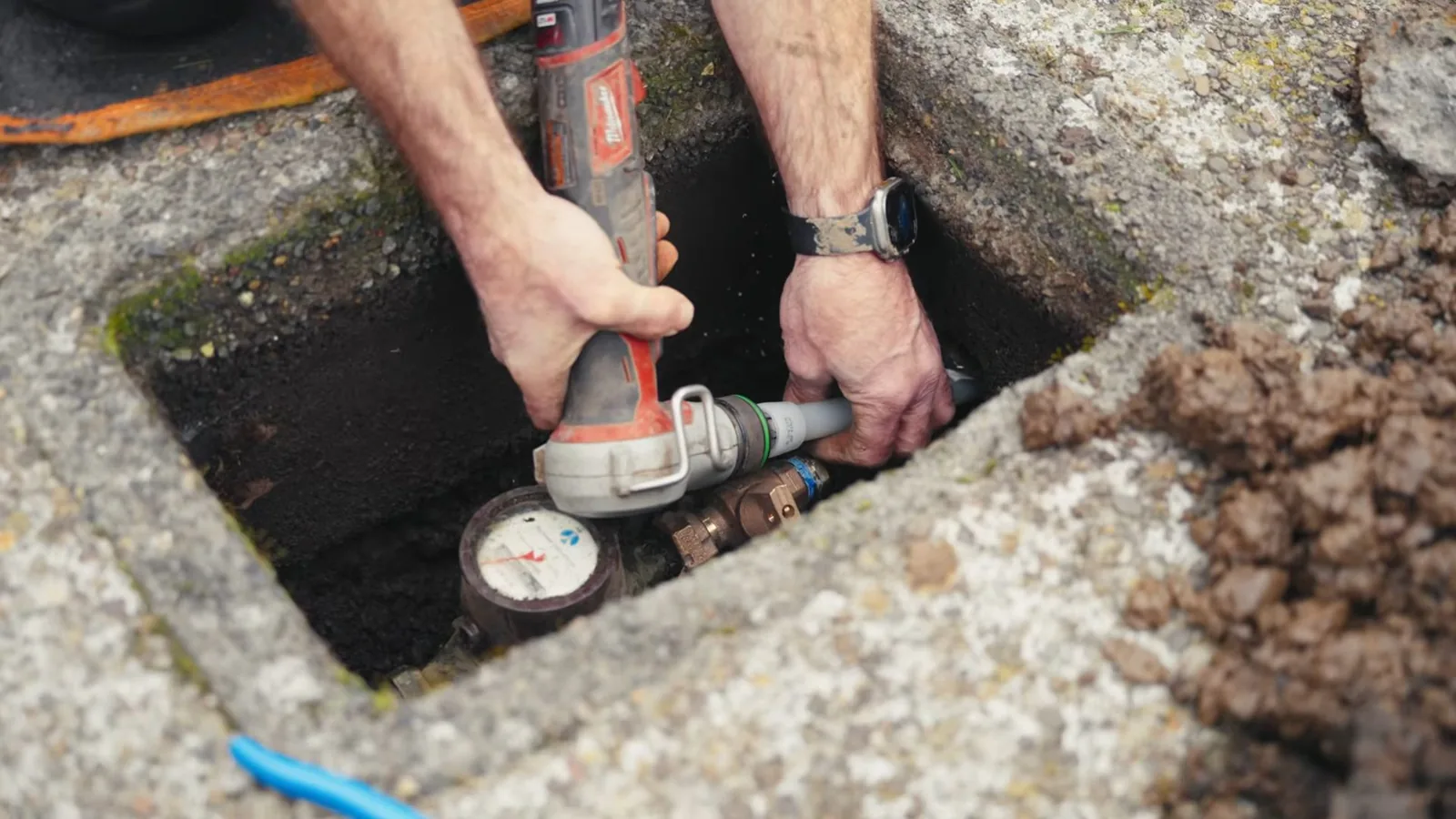
The utility owns the line up to the meter and the homeowner owns everything after it. Canyon Lake is split between two water districts, so the first call depends on which one serves the address. Calling the wrong office wastes time when water is running, so confirm the provider before anything else.
The meter box marks the handoff. If the leak is on the meter side, the utility handles it. If it is after the meter, in the yard or under the house, a plumber does. Ask the plumber to tell you which side of the meter the problem is on before any digging starts.
Low or high water pressure at the house
Pressure problems often get blamed on the line when the pressure regulator or a partly closed valve is the cause. Too little pressure makes showers weak. Too much shortens the life of fixtures and the water heater and can cause leaks at the weakest joints.
Where static pressure goes over 80 psi, the plumbing code calls for a pressure regulator, and an expansion tank can be needed downstream of it for the water heater. A gauge on a hose bib reads the pressure in seconds. If readings are high, a water heater installation may need the regulator and tank checked too.
- Weak flow at every fixture often means a partly closed main valve or a clogged strainer
- Hammering when a tap shuts off suggests high pressure or missing arrestors
- A noisy regulator or pressure that creeps up overnight points to a worn regulator
- Weak flow at one fixture only is usually local, not the line
Water line trouble? Get it traced
Meter, pressure and shutoff get checked first so the problem is located before anyone digs.
Repair or replacement of the water line
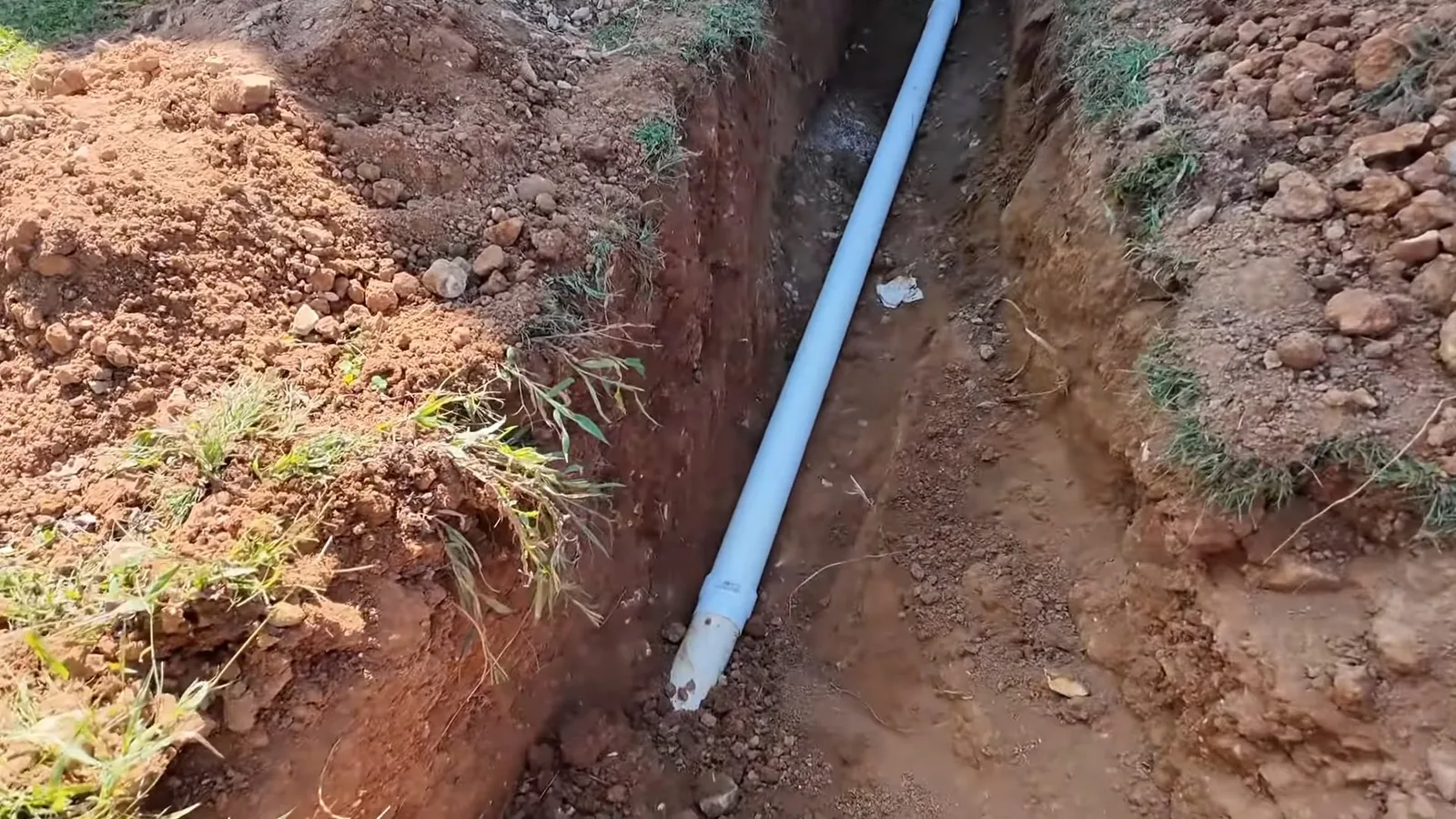
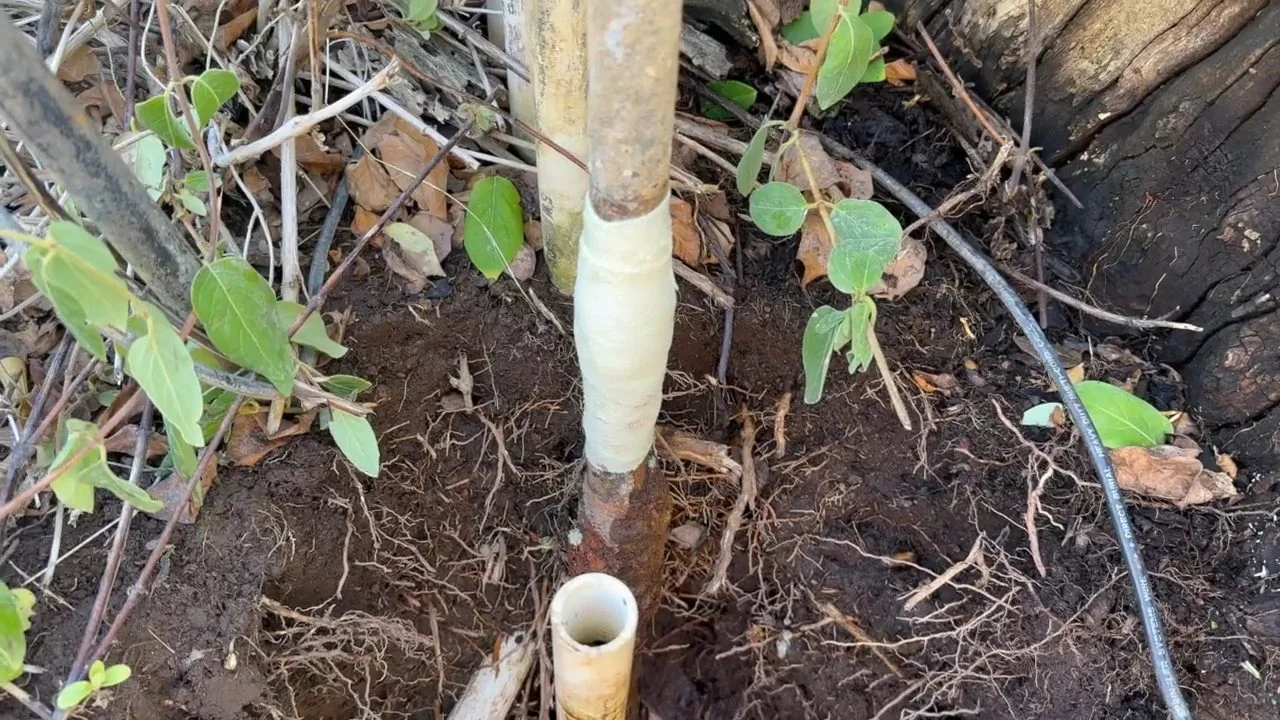
A localized break in an otherwise sound line can be cut out and repaired with a short section of new pipe. A line with several leaks, heavy corrosion or an old material is a candidate for replacement. Either way, the plumber needs to know where the line runs before digging.
- Locate the break by pressure testing and, if needed, listening or tracing equipment.
- Call DigAlert at 811 so buried utilities are marked before any excavation.
- Excavate, cut out the failed section and join in new pipe, or run a new line.
- Pressure test the repair and backfill the trench.
- Restore the surface and confirm the meter no longer moves with taps off.
Ask the plumber whether the work needs a permit and whether the old line will be abandoned or removed. Both belong in the written scope of work.
Shutoff valves and the main in an emergency
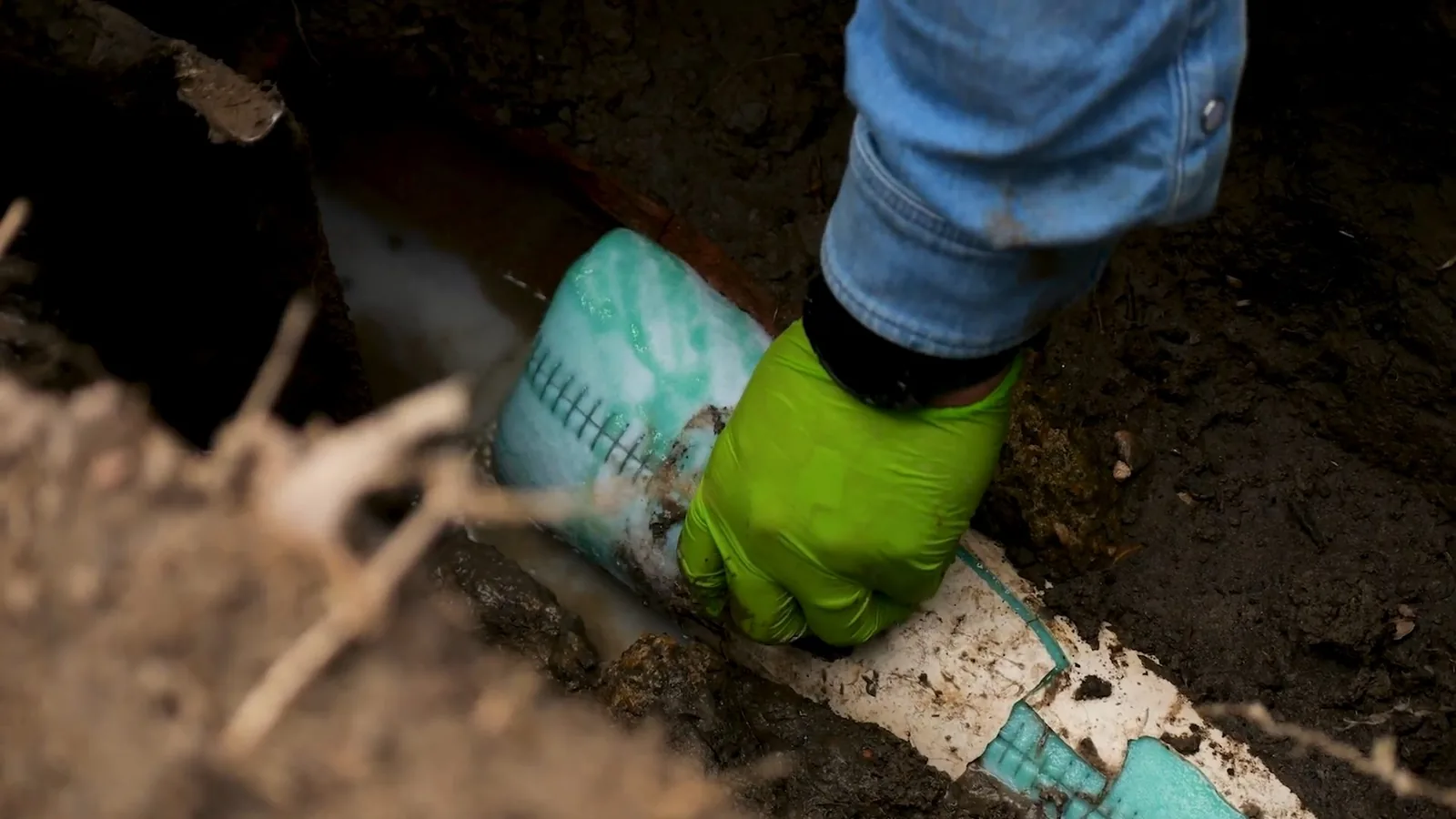
Every household needs to know where its main shutoff is and whether it still turns. Valves that sit for years often seize or leak when used. Testing it once, gently, tells you whether it needs replacement before the day it matters.
If the main valve will not close fully, a plumber can replace it, and that is a short, scheduled job. The alternative is trying to close it in a panic with water spraying, which is when seized stems snap. A shutoff that works is the simplest protection a house has against a bad leak.
Also check the smaller valves under sinks and behind toilets. These stops let a plumber isolate one fixture without shutting off the entire house, and they fail the same way, by seizing from lack of use. Replacing weak ones during other work is a modest job.
Do not wait on a leaking line
Get it shut down, traced and scoped by phone before the yard turns to mud.
Water line questions
Who fixes a leak between the street and my meter?
The water district owns the line up to the meter, so a leak on the street side is theirs. Anything beyond the meter belongs to the homeowner, whether the pipe runs through the yard or beneath the floor, and a plumber handles it. Check your bill to see which district serves your address.
How can I tell if I have a hidden water line leak?
Shut off every tap and appliance, then watch the meter. If the dial or low-flow indicator moves, water is leaving the system. A yard patch that stays wet and a bill that rises without a change in use are the other common signs.
Do I need a pressure regulator?
Under the plumbing code, a regulator is required once static pressure exceeds 80 psi. A gauge on an outdoor tap shows your pressure. If it reads high, a plumber can test the regulator or add one, and check whether the water heater needs an expansion tank.
Will repairing a water line mean digging up my yard?
Sometimes only a small trench is needed to reach a single break. A full replacement takes more digging, though the plumber can sometimes use trenchless methods. Ask which approach fits and how the surface will be restored when the work is done.
Water where it should not be? Call now
Water where it should not be is a phone call away, day or night.
- Licensed and insured plumbers
- Same-day service when available
- 24/7 emergency dispatch