
Faucet and Toilet Repair in Canyon Lake: Fixing Drips, Running Tanks and Worn Fixtures
A drip, a running toilet or a shower that will not stay hot looks small, but each one wastes water every hour it runs. Phone in and a plumber can say whether the fix is a washer, a cartridge or a whole new fixture.
- Licensed and insured plumbers
- Same-day service when available
- 24/7 emergency dispatch
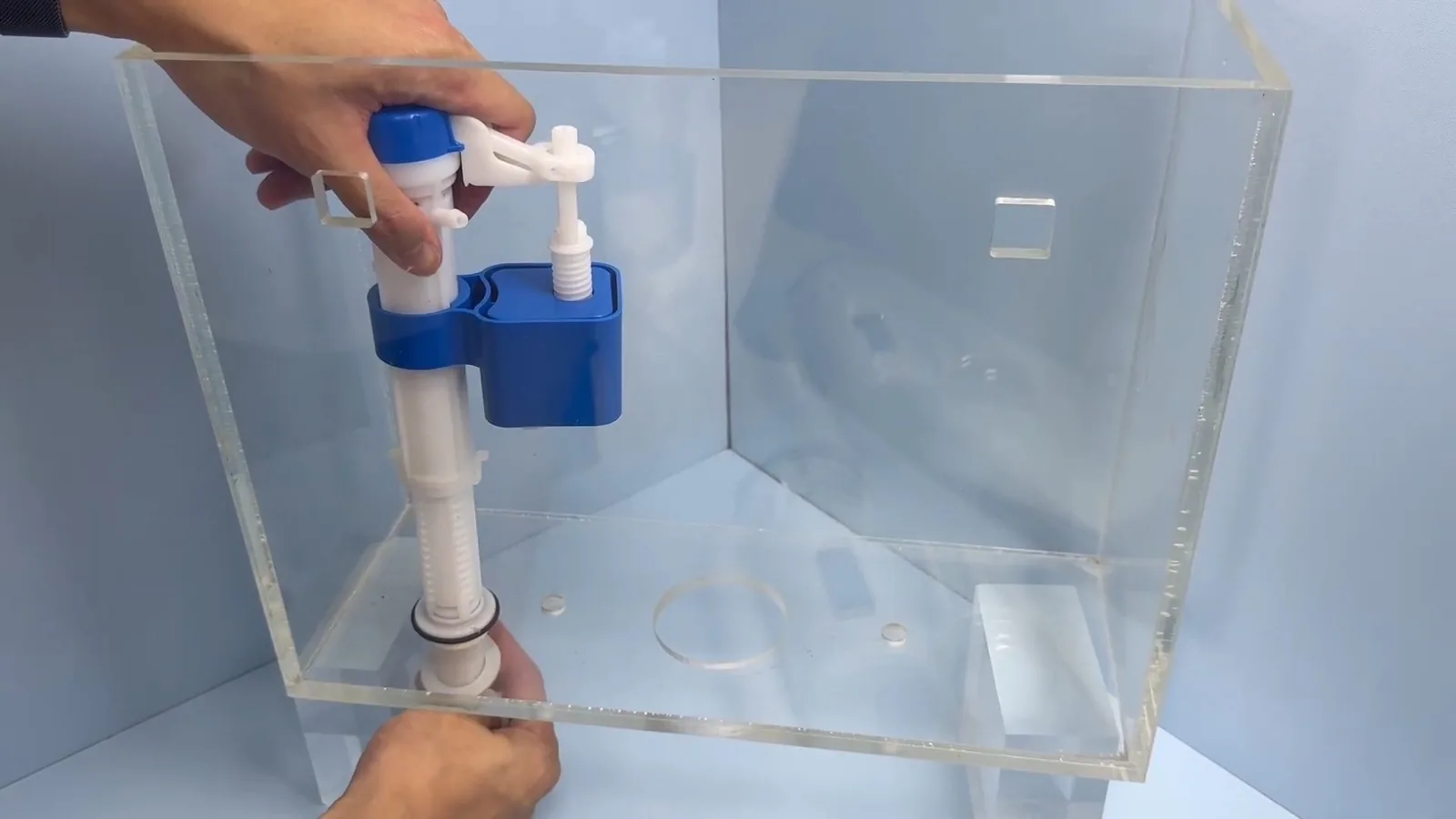
The toilet that runs, rocks or will not flush
Toilets fail in a few predictable ways, and most are quick repairs if they are caught early. A tank that keeps refilling usually has a worn flapper or fill valve. A toilet that clogs often is a venting or trap problem, not a bad flush. A rocking bowl means the seal or flange needs attention.
| Toilet symptom | Likely cause | Typical fix |
|---|---|---|
| Tank refills every few minutes | Worn flapper or chain | Replace the flapper |
| Hissing after the flush | Fill valve not shutting off | Replace or adjust the fill valve |
| Weak flush | Clogged rim jets or low water level in the tank | Clean the jets, reset the level |
| Water at the base | Failed wax ring or loose bolts | Reset the toilet with a new seal |
| Frequent clogs | Partial blockage in the trap or drain | Clear the line, check the vent |
A clog that keeps returning in more than one fixture is not a toilet problem. That points to the main drain, and drain cleaning is the next step.
Faucets and sinks that drip, spit or lose pressure
Dripping faucets waste more water than they seem to, and the cause is usually a worn cartridge, washer or seat. Low flow from one tap is often a clogged aerator or screen, while low flow from every tap points elsewhere. A kitchen or bathroom faucet can nearly always be repaired if the body is not corroded.
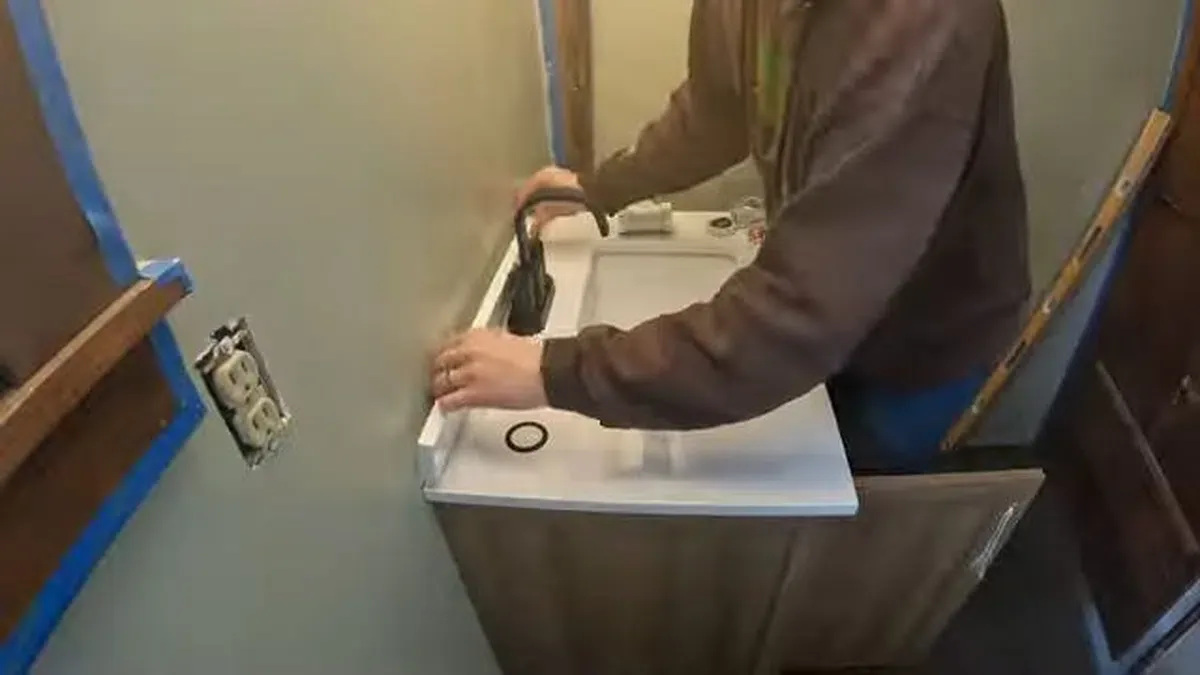
Bathroom sink and vanity
Check the drain stopper, the supply lines and the trap under the cabinet. A damp cabinet floor often means a loose slip nut or a cracked supply line, both quick to fix. Replacing a vanity faucet is a short job when the shutoff valves under the sink still work.
Kitchen sink
Kitchen faucets with pull-down sprayers fail at the hose and the diverter. Leaks beneath the sink come from supply lines, the drain basket or the disposal connection. A plumber can trace the drip with a dry paper towel and a flashlight in a couple of minutes. If the leak is at the disposal connection, see garbage disposal service for that part of the job.
Dripping, running or leaking? Get it fixed
Describe the fixture and what it is doing. A plumber can tell you whether it is a quick part or a replacement.
Showers and tubs: valves, heads and leaks
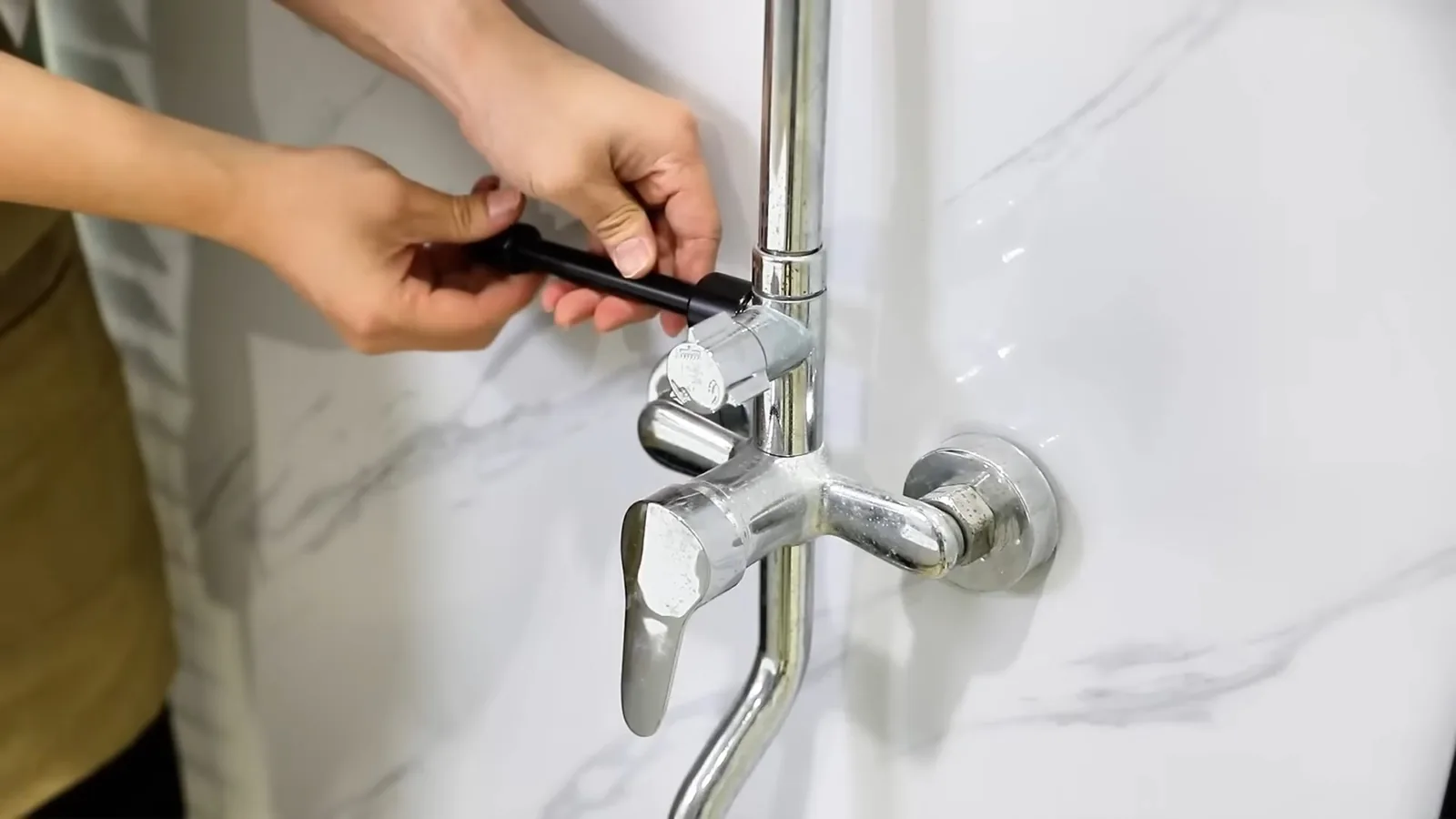
A shower that goes cold, drifts in temperature or drips from the head usually has a worn cartridge or mixing valve. A tub that leaks into the wall below needs attention fast, because moisture behind tile or drywall spreads without any visible sign. Do not ignore a stain on the ceiling under a bathroom.
- Shower temperature that swings with other taps points to a worn pressure-balancing cartridge
- A head that drips after the water is off often means a worn valve seat or cartridge
- A tub spout that leaks at the wall needs a new seal before water gets behind the surface
- Slow tub drain with standing water is a drain issue, not a fixture issue
- Soft or discolored tile near the tub edge suggests water is getting behind it
Persistent moisture behind a wall can need locating before repair, and leak detection helps when the source is not obvious.
Shutoff valves, supply lines and angle stops
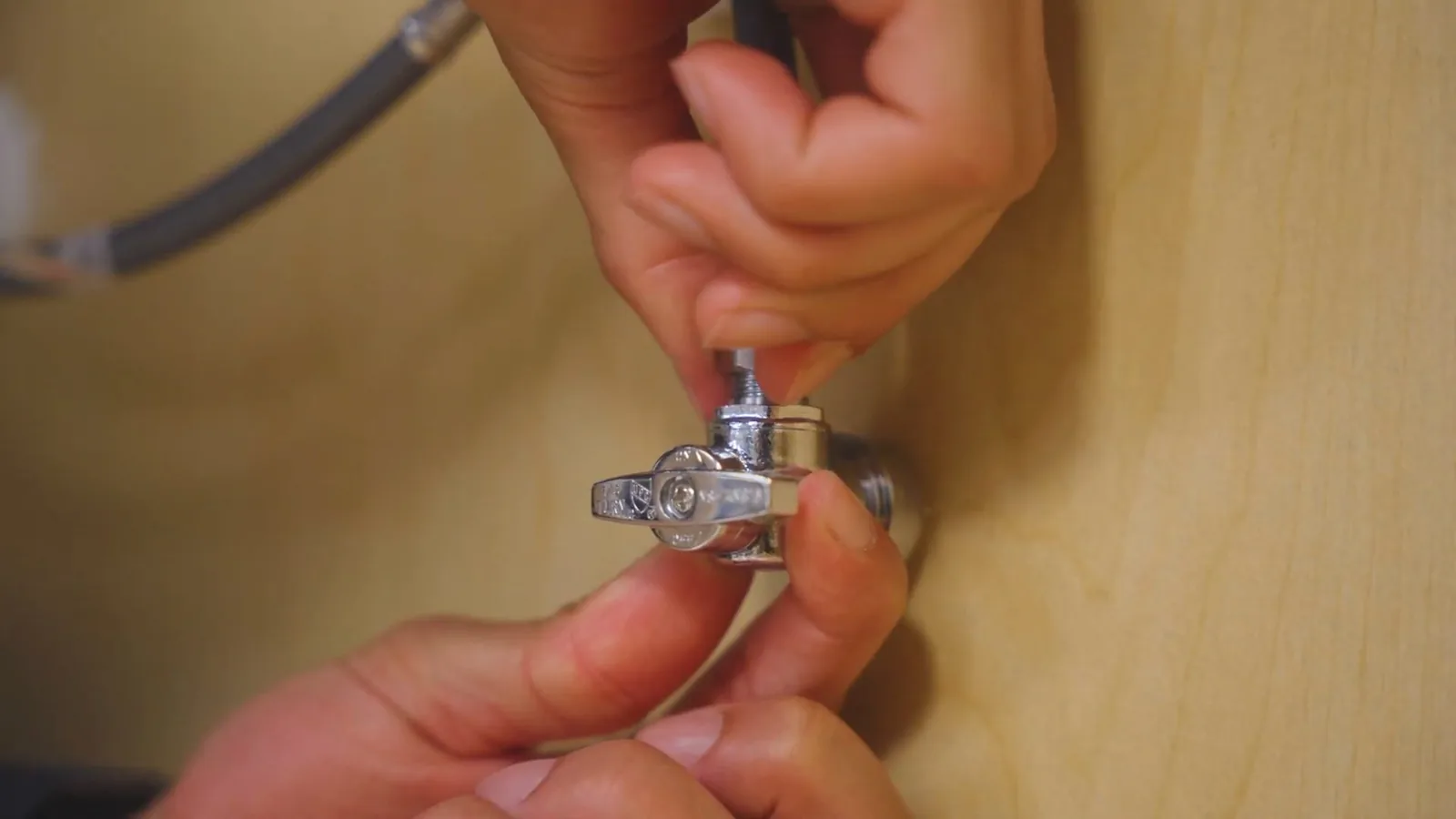
Under every sink and behind every toilet is a small valve that lets a plumber isolate that fixture. These angle stops are small parts, but they get used rarely, and old ones seize or weep when turned. Replacing weak ones before a repair keeps the rest of the house running.
Braided supply lines are the other common failure. They carry a fraction of the pressure a main does, but a burst line can still flood a cabinet or a floor in an hour. Plan to replace them whenever a fixture is changed, and check their age if the house is older.
Installing or replacing fixtures
New toilets, faucets and vanities go in more cleanly when the existing connections are in good shape. A plumber checks the supply valves, the drain and the flange before installing anything, because a new fixture on an old connection often inherits the old problem.
- Shut off the fixture supply and drain what remains.
- Remove the old fixture and inspect the flange, valves and drain.
- Set the new fixture with fresh seals and supply lines.
- Turn the water on, check every connection and run the fixture.
- Test the shutoff valves and clean up the area.
Specialty installs, such as a bidet seat, a pot filler, a dual-flush toilet or a hookup for an ice maker, dishwasher or laundry room washer, follow the same pattern. A wet bar sink or a bathtub-to-shower conversion adds drain and valve work to the list. Tell the plumber the make and model before the visit so the right fittings arrive on the truck, and the work is finished in one trip instead of two.
Remodels, rough-in work and outdoor faucets
A bathroom or kitchen remodel starts with plumbing rough-in, the supply and drain lines set before walls are closed. Getting the locations right matters, because moving a drain later means opening the finished wall. Share the fixture list and layout with the plumber before demolition begins, including any toilet relocation, new faucet installation or kitchen plumbing upgrades planned for the project.
Outdoor faucets, called hose bibs, deserve a look too. A dripping spigot can leak inside the wall, and a worn one wastes water continuously. Replacement is a short job, and the plumber can add a vacuum breaker at the same time.
Ask also about an interior shutoff for each outdoor tap. A working one lets you stop a dripping spigot without cutting water to the whole house, which is handy when a hose is left attached and a fitting gives way.
Small leaks add up, fix them early
One call can cover the toilet, the faucet and the shutoff valve in a single visit.
Fixture repair questions
Why is my toilet running constantly?
The usual cause is a worn flapper that no longer seals the tank, or a fill valve that never shuts off. Both are inexpensive parts. Left alone, a running toilet wastes water around the clock and shows up on the bill, so it is worth a quick repair.
Should I repair or replace a dripping faucet?
Repair usually wins when the faucet body is sound and only a cartridge or washer is worn. Replacement makes sense if the body is corroded, the finish is failing or parts are no longer available. A plumber can tell in a minute which case yours is.
Can a plumber fix a leaking shower valve without tearing out tile?
Many valves can be serviced from the front by removing the trim and cartridge. If the valve body itself is leaking inside the wall, access from behind may be needed. The plumber can tell you before any tile is touched.
How do I know a shutoff valve needs replacing?
If it will not turn, drips from the stem or leaves a green crust, replace it. Do not force a stuck valve, because forcing can break it. A new stop valve is a short job and gives you a reliable way to isolate the fixture.
Fixtures that work, every time
Phone dispatch to book a repair for the drip, the run-on toilet or the shower that will not hold temperature.
- Licensed and insured plumbers
- Same-day service when available
- 24/7 emergency dispatch