
Emergency Gas Line Repair in Canyon Lake: Leaks, New Hookups and Pressure Tests
Many people think a faint gas smell can wait until morning. It cannot. Get everyone out first, then call. The dispatch line is open at all hours, and a plumber can take the details once you are outside and away from the house.
- Licensed and insured plumbers
- Same-day service when available
- 24/7 emergency dispatch
Smell gas? Do this before anything else
Natural gas has a sulfur odor added so leaks are noticed. If you smell it, treat it as an emergency until proven otherwise. Do not look for the source yourself. Do not flip switches, use the phone inside or light anything. Get out and make the call from a safe distance.
- Leave the house with everyone, including pets, and leave the door open behind you.
- Do not turn lights or appliances on or off, and do not use matches or a lighter.
- From outside, call the gas utility emergency number on your bill or 911.
- Then call the dispatch line so a plumber can plan the repair.
- Stay out until the utility or a plumber says it is safe.
Gas line repair in Canyon Lake: what is wrong with the pipe
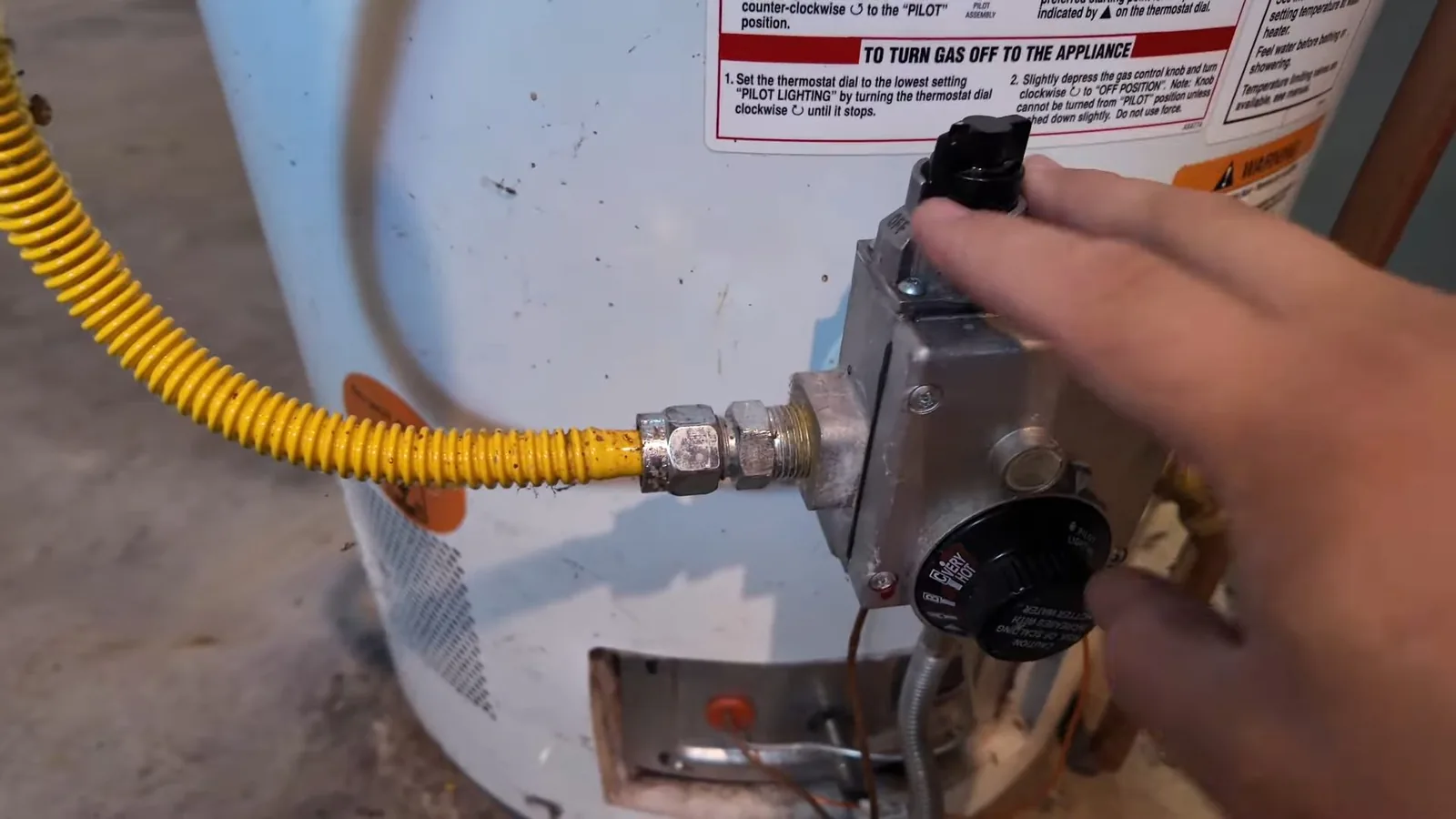
Gas leaks usually start at a joint, a flex connector or a section of pipe that has corroded or been damaged. Finding the exact point takes a pressure test and a leak detector, not a guess. The plumber then replaces the failed part or section and tests the whole run again.
| Where it leaks | Common cause | Typical repair |
|---|---|---|
| Appliance flex connector | Age, movement or a kink | Replace the connector and re-test |
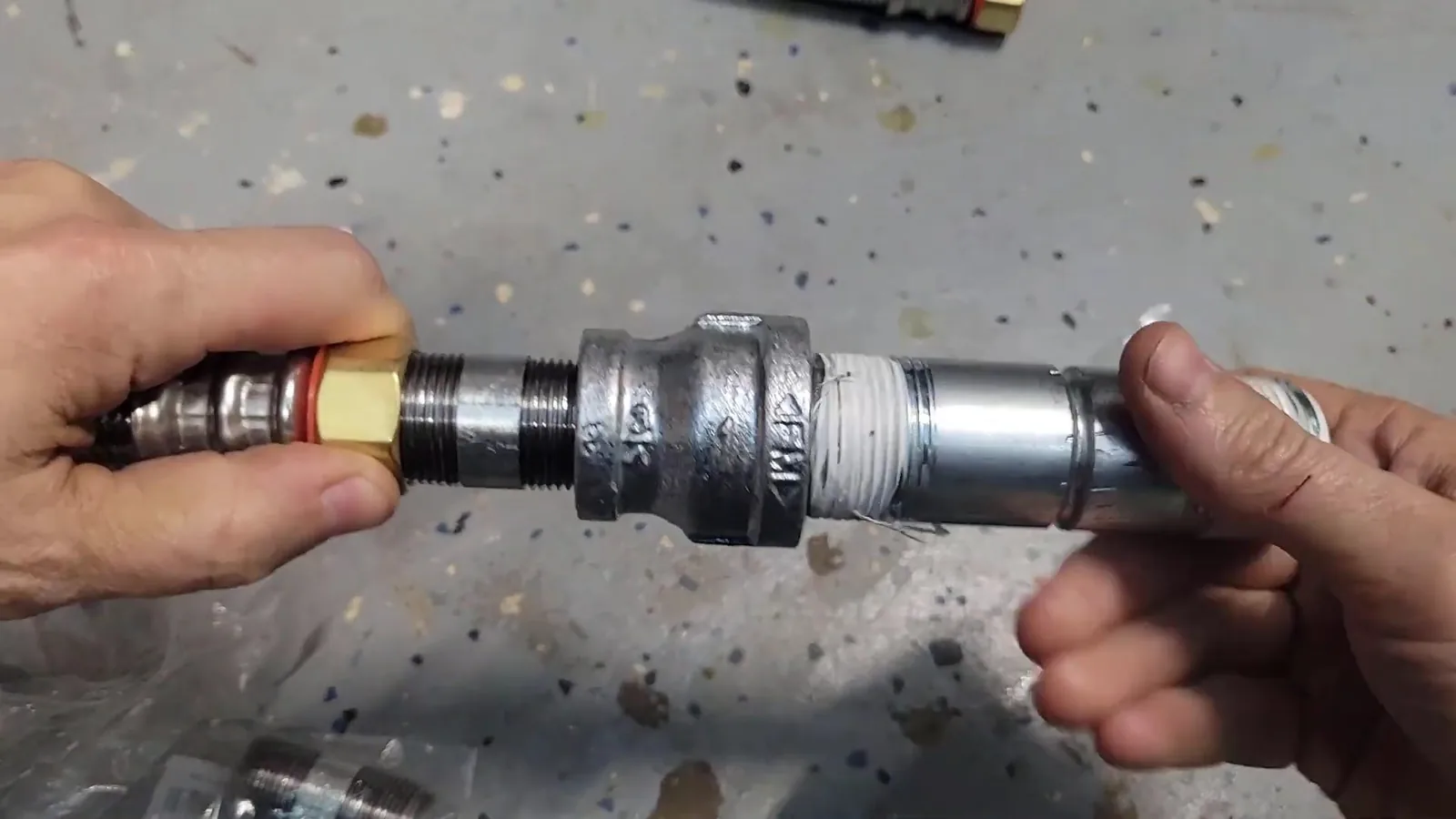
| Threaded joint on black iron | Loose or corroded thread | Remake the joint with approved compound |
| Run of black iron pipe | Corrosion or physical damage | Replace the section |
| CSST line | Damage or a failed fitting | Repair or replace per manufacturer rules |
| Meter-side connection | Utility equipment | Utility handles it |
Older homes with aging supply pipe for water often have aging gas runs too, and a plumber can check both on the same visit.
Gas line problem? Call the dispatch line
Once everyone is outside, dial in the details and get the repair planned.
Gas line installation: new hookups and extensions
Adding a range, dryer, fireplace, outdoor grill or a tankless water heater often means extending the gas line. The new run has to be sized for the total load on the system, which means adding up what every appliance draws, not just the new one.
A new line also needs a permit. City Building and Safety enforces the California codes, and the plumber normally arranges it. Work done without one can fail inspection later, which matters if you sell the house or file an insurance claim.
- Appliance hookups for ranges, dryers and cooktops
- Outdoor lines for grills, fire pits and heaters
- Upsized supply for a tankless water heater
- Moving a line during a kitchen or laundry remodel
- Capping a line that is no longer in use
If the line is feeding a tankless heater, see tankless hot water heaters for the other half of that decision, and water heater replacement for a standard tank swap.
Black iron or CSST: choosing the replacement pipe
When a section of gas pipe has to be replaced, two materials are common. Gas piping for houses is usually one of two kinds. Black iron is rigid steel pipe joined with threaded fittings, and it has been the standard in houses for decades. CSST is a flexible stainless steel tubing that bends around obstacles and goes in with fewer joints, which makes some retrofit runs faster.
CSST has its own manufacturer rules for fittings, support and electrical bonding, and those rules decide whether it is appropriate for a particular run. Ask the plumber which pipe they plan to use, why it suits the route and whether bonding is part of the job.
Replacement is worth discussing when a leak keeps returning at the same spot or when pipe shows heavy rust. A spot repair on a worn line may hold for a while, but a plumber can tell you honestly if the rest of the run is next.
Natural gas or propane: who supplies yours?
Whether your house runs on natural gas or propane changes who you call in an emergency and how the line is sized. Natural gas comes through a utility meter. Propane comes from a tank and a supplier. The bill or the tank label tells you which one you have.
Southern California Gas is the main natural gas distributor in the region, but not every address in Canyon Lake is guaranteed to be on its service, so use the utility or propane supplier named on your bill. Tell the plumber which you have when you call.
Propane homes also have a regulator at the tank and a separate set of rules for tank placement. Appliance orifices differ between natural gas and propane, so a unit set for one fuel cannot simply be connected to the other without a conversion.
Pressure testing and inspection
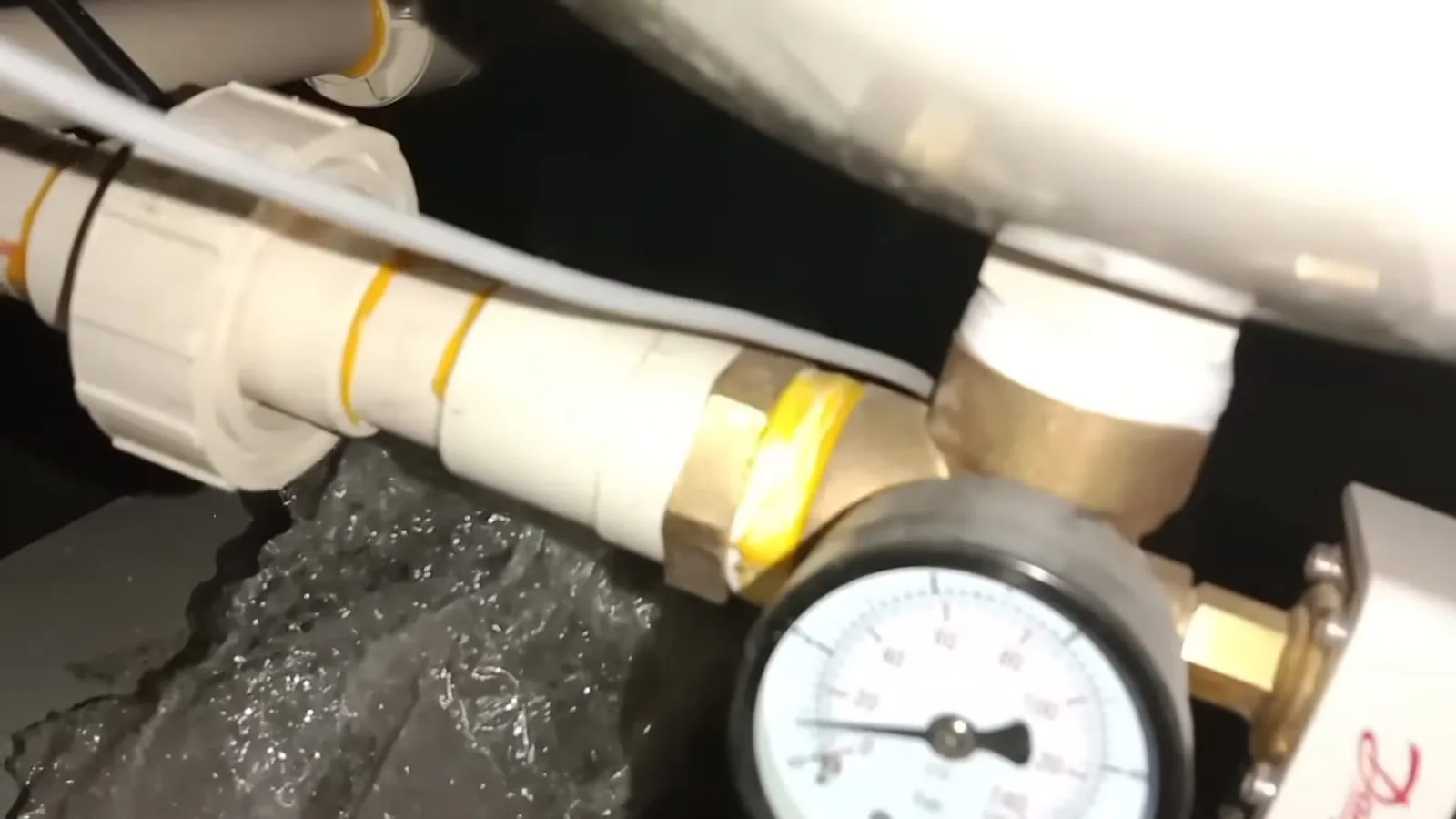
After any repair or new line, the system is tested before anyone relies on it. A pressure test holds air or gas in the line for a set time and watches for a drop. A drop means a leak somewhere, even if nothing smells.
The test is also what an inspector looks for when a permit was pulled. Ask the plumber to show you the gauge reading and to confirm that every appliance was checked after the work. A line that holds pressure and a flame that burns blue are the signs of a good result.
Keep the paperwork from the job, however minor it seems. A record of the permit, the test and the appliances checked is useful if you sell the house, change insurers or have another plumber work on the system later.
Do not guess about gas
Make the call from the driveway and start the repair plan while the utility checks the meter.
Gas line questions
Is a small gas smell really an emergency?
Even a faint smell can mean a leak, and gas can build up in a closed space. Leave, call from outside and let the utility check it. A false alarm costs a short wait. A missed leak can cost far more.
Who do I call first for a gas leak?
Get out of the house, then call the gas utility emergency line or 911. Once the supply is safe, call a plumber for the repair. Both calls can be made from the driveway, since dispatch answers around the clock.
Can a plumber add a gas line for my new range?
A plumber sizes the new run for the total load, installs it with approved pipe and fittings, pulls the permit and tests the line. Say what appliances you have and where they sit when you call.
Do I need a permit for gas line work?
Regulated gas work generally requires one under the California codes the city has adopted. The plumber normally arranges it with Building and Safety. Skipping it can cause trouble at resale or if an insurer asks about a later problem.
Gas smell or a new line to plan
Phone at any hour to set up the repair or the new hookup.
- Licensed and insured plumbers
- Same-day service when available
- 24/7 emergency dispatch